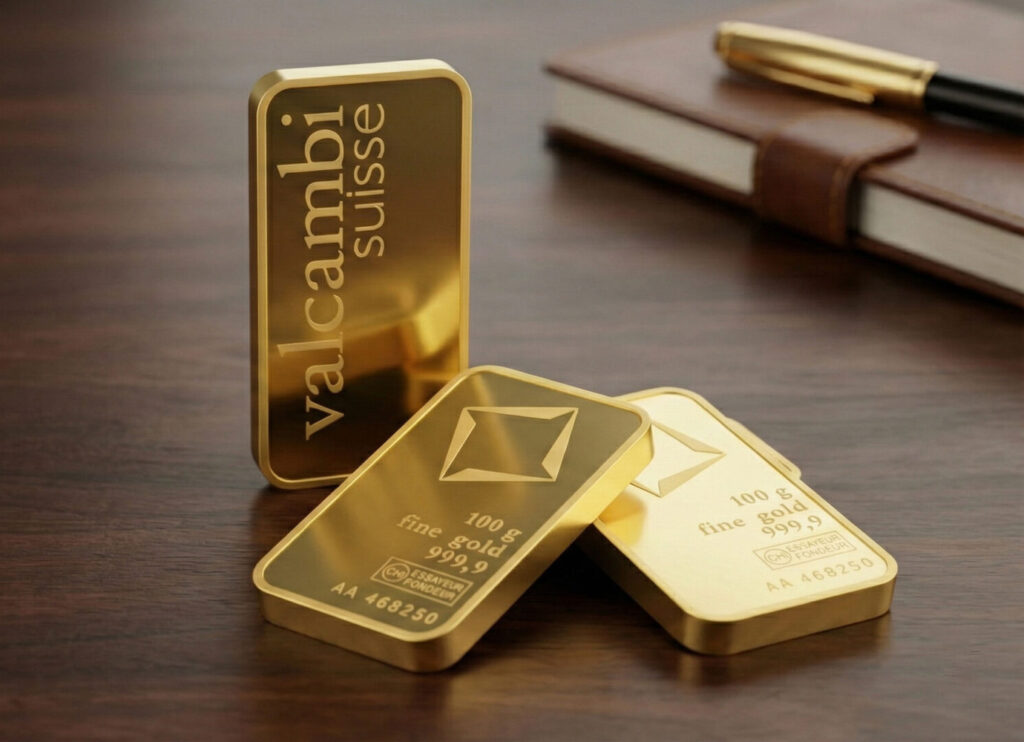
Buying a 1 oz gold bar is one of the most straightforward ways to own physical gold, but only if you know what you’re comparing before you hand over your money. The purchase comes with a checklist of variables most new buyers underestimate: purity, bar type, mint reputation, assay packaging, the premium baked into the price, how the metal ships to you, where you’ll store it, and whether it will sell smoothly when the time comes. Miss any of these, and a seemingly simple transaction can get costly fast.
This guide walks through every factor worth checking before you buy, so you can compare dealers and products with confidence.
Key Takeaways
A 1 oz gold bar weighs one troy ounce, not a standard ounce. One troy ounce equals 31.1034768 grams. The troy ounce is heavier than the avoirdupois ounce used in everyday American measurement, so confirm your bar is specified in troy ounces before comparing weights.
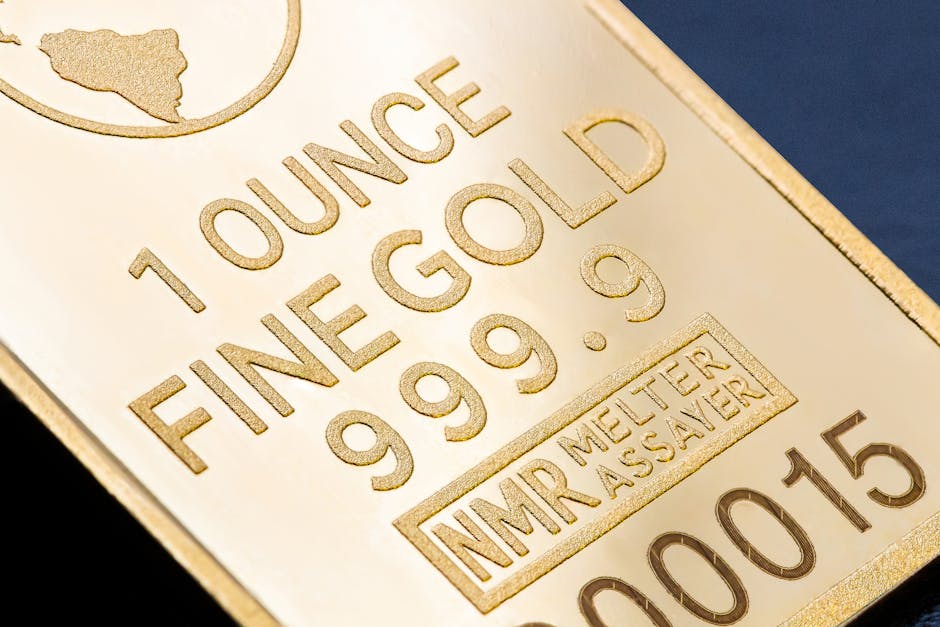
Investment-grade purity is .9999 fine. A 1 oz gold bar contains exactly 31.1035 grams of gold, measured in troy ounces. Investment-grade bars meet .9999 fine gold purity standards, meaning they contain 99.99% pure gold. Confirm this fineness mark before purchasing.
The premium over spot is the real price variable. The gap between gold’s spot price and what you pay at the dealer is called the premium. In normal market conditions, 1 oz gold bars carry premiums of 2-4% over spot. Know this number before comparing dealer prices.
Keep the assay card intact. Maintaining original packaging with intact assay certificates preserves resale premiums. Dealers pay more for bars in unopened manufacturer packaging compared to loose pieces requiring independent verification.
Brand recognition affects resale speed. Brand recognition matters when it is time to sell. Bars from well-known refiners are easier for dealers to verify, which speeds up resale and often results in pricing closer to spot. Familiar markings reduce friction on both sides of the transaction.
Quick-Start Prioritization Framework
| What to Compare | Best For | Effort Level | When It Matters |
|---|---|---|---|
| Purity and weight specs | All buyers | Low | Before every purchase |
| Refiner/mint reputation | First-time buyers | Low | At product selection |
| Premium over spot | Budget-focused buyers | Medium | Comparing multiple dealers |
| Assay card and packaging | Resale-minded buyers | Low | At delivery inspection |
| Shipping and insurance terms | Online buyers | Medium | Before checkout |
| Storage plan | All buyers | Medium | Before delivery |
| Buyback/resale terms | Long-term holders | Medium | Before committing to a dealer |
Start here depending on your situation:
First purchase: Focus on refiner reputation and assay packaging, this baseline protects you from counterfeits and resale friction.
Budget buyer: Prioritize comparing premiums over spot across at least two or three dealers. A fraction of a percent on a purchase at today’s gold bar prices adds up.
Long-term holder: Put storage and insurance at the top of your checklist, these are ongoing costs that affect total return.
Understanding the Basics: Troy Ounces, Purity, and Bar Types
What “1 oz” Actually Means
A 1 oz gold bar contains one troy ounce of gold, which equals 31.1 grams. The troy ounce is the standard unit of measurement used throughout the precious metals industry for gold, silver, platinum, and palladium products. That distinction matters because a standard avoirdupois ounce, the one used on bathroom scales and in food recipes, weighs only 28.35 grams. When you see a gold bar listed as “1 oz,” always verify the listing says troy ounce. Any reputable dealer will specify this clearly.
Purity Standards to Know
Each 1 ounce gold bar has a minimum purity of 0.995 and is normally between 0.999 pure and 0.9999 pure or 24 karats. For most U.S. buyers, .9999 fineness (99.99% pure gold) is the standard to look for. This purity is indicated by its fineness of .9999, also known as 24 karats, signifying that the bar is essentially pure gold, making it a trusted and valuable choice for precious metal collections. Look for the fineness mark stamped directly on the bar.
Cast vs. Minted Bars
These bars are typically rectangular and can be produced in one of two main ways: cast or minted. Cast bars are made by pouring molten gold into a mold, resulting in a more rustic, unique finish. Minted bars, on the other hand, are cut from a cast gold blank and then machine-pressed to achieve a more refined, often polished, appearance with crisp designs.
The gold content is identical, but the experience of ownership differs. Both types usually have the same level of purity, but minted gold bars often carry a slightly higher premium due to their manufacturing process. Cast gold bars, by contrast, are more cost-effective to produce, and that cost-saving is passed on to buyers. For someone purely focused on investment and willing to compromise on the look, cast bars offer excellent value.
Pro Tip: If you plan to resell within a few years, lean toward minted bars. Cast bars have a rougher, poured finish, while minted bars are stamped with clean lines and clear markings. The gold is the same, but the presentation is different. Minted bars usually resell faster because they are easier for buyers to recognize and verify. That familiarity helps speed up transactions.
Refiner and Mint Reputation: Why the Source Matters
Refiner Reputation: Why the Source Matters
WWhen buying a 1 oz gold bar, consider who produced it as well as its weight and purity. Established refiners generally provide clearly marked specifications and may include serial numbers, assay packaging, or other authentication features depending on the product.
Recognizable refiners can also make authentication easier when you eventually sell. However, a well-known name does not eliminate the need to buy from a reputable dealer and verify the specific bar you receive.
Before purchasing, check the bar for its weight, fineness, refiner or mint name, and any applicable serial number or assay information. These details give you a clearer record of exactly what you’re buying and can make future verification easier.
Security Features Built Into Modern Bars
Technology has raised the authentication bar considerably. This has enabled precious metals companies to incorporate competing technological security features, such as a digital fingerprint called Kinebar by the Germany-based company Argor-Heraeus. The Switzerland-based company PAMP Suisse includes a scannable barcode called Veriscan. Another Swiss company, Valcambi, uses four vector symbols embedded into the gold bar as a part of its anti-counterfeit authentication technology.
For example, certain PAMP Suisse gold bars with Veriscan can be verified using PAMP’s mobile app. To verify a PAMP Suisse gold bar’s serial number, you’ll need to have the Veriscan app. Using the app, investors can scan the Veriscan QR code located on the gold bar’s assay card. These features matter especially on secondary market purchases.
Premiums Over Spot: How Gold Bar Prices Are Formed
What a Premium Is and What It Covers
The premium is the additional amount charged above the spot price to cover the real-world costs of getting that gold into your hands. The premium on gold covers manufacturing, refining, minting, transportation, insurance, distribution, and dealer costs. Understanding this math lets you evaluate any dealer’s price clearly.
A premium is the amount charged above spot for a physical gold product. If gold spot is $2,500 per ounce and a one-ounce coin is offered at $2,625, the premium is $125, or 5% above spot. The all-in price is what you pay, while spot and premium explain how that price was formed.
Why Premiums Vary
Premiums shift based on several factors buyers can actually compare:
Bar size: These costs are proportionally higher for smaller quantities, which explains why a 1-gram gold bar carries a premium of 15-30% over spot while a kilogram bar might only carry 1-3%. A 1 oz gold bar sits in the middle, a practical balance of cost and premium efficiency.
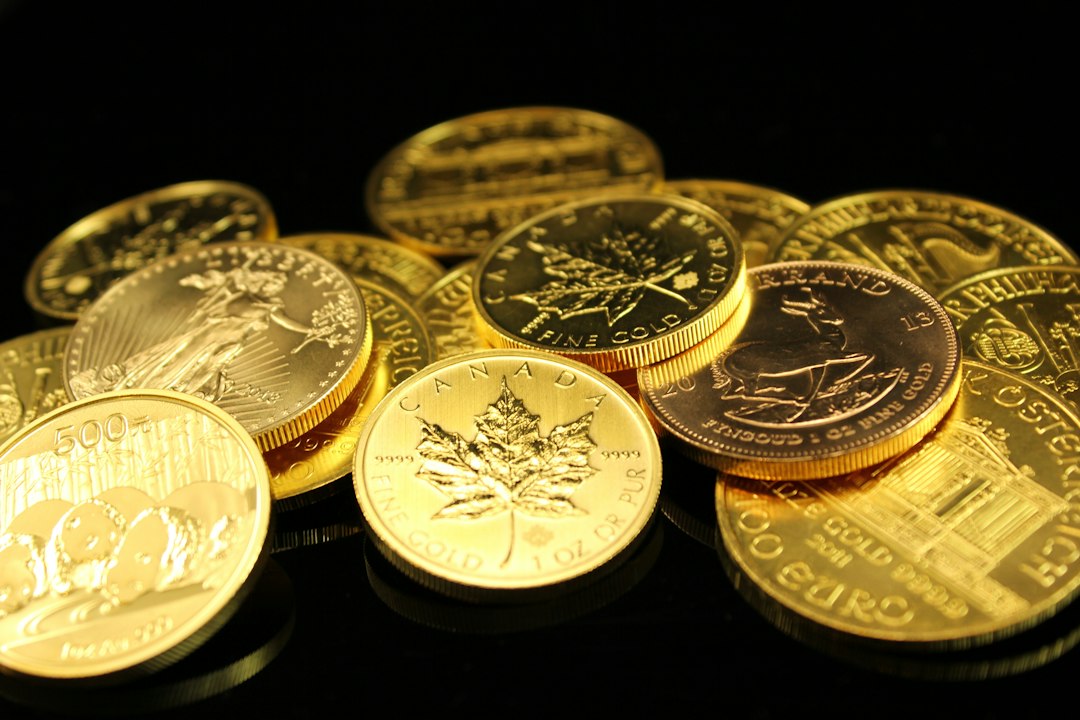
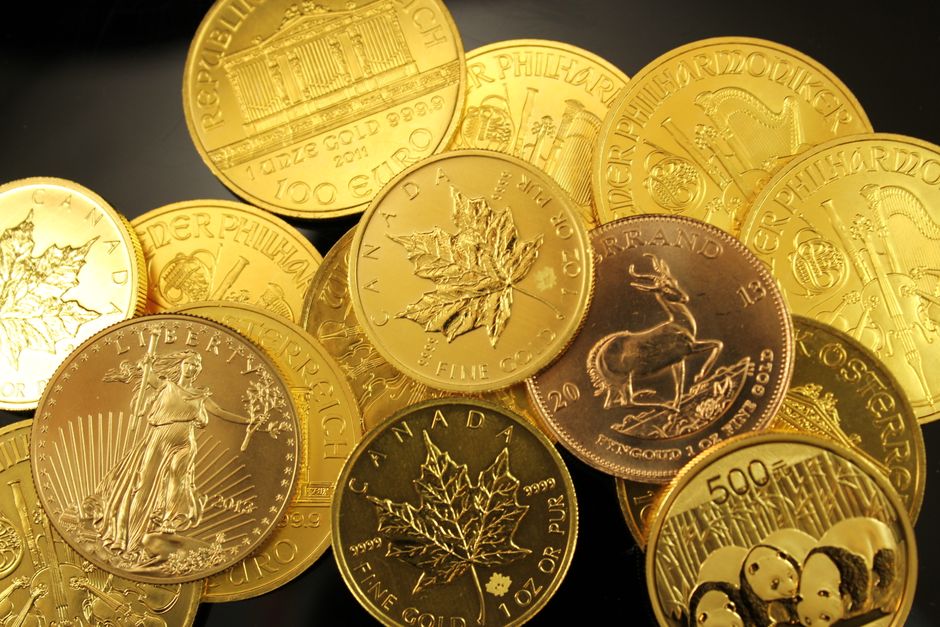
Bar format (coins vs. bars): Gold bars from accredited refiners like PAMP Suisse, Valcambi, and the Royal Canadian Mint carry lower premiums than coins. A one-ounce bar typically runs 2-4% above spot. Bars cost less to produce because they lack the detailed designs, edge lettering, and anti-counterfeiting features of sovereign coins.
Payment method and dealer margins: Premiums are normal in the physical precious-metals market. A dealer must source, verify, store, insure, and deliver the metal. Government mints and private refiners also incur costs to produce recognized coins and bars. Some dealers also add a surcharge for credit card payments. Ask before you check out.
Pro Tip: Investors can avoid overpaying by comparing prices across reputable dealers, monitoring current spot prices, and understanding typical premium ranges. Extremely low prices should be treated with caution, as they may indicate counterfeit or misrepresented products. If a deal looks too good, verify the seller’s credentials before proceeding.
Authenticity, Assay Cards, and Verification
What an Assay Card Guarantees
An assay certificate is a formal guarantee of the gold bar’s purity (e.g., .9999 fine gold), weight (usually 1 troy ounce), refiner or mint (like Asahi or PAMP), and unique serial number (if applicable). The assay card is usually built into the tamper-evident packaging around the bar. Think of it as the bar’s permanent ID document.
An assay card is a sealed, tamper-proof card that keeps your bar safe while revealing its major details. It’s the bar’s “birth certificate” of sorts. It has important details regarding the purity of the gold, its weight, and its legitimacy, keeping things transparent and reassuring for investors and collectors.
Physical Verification Steps
When your bar arrives, a basic authentication checklist takes only a few minutes:
Check hallmarks and fineness stamps. Look for clean, consistent logos weight, fineness (.9999), and serial numbers. Inconsistencies often signal a counterfeit.
Weigh and measure the bar. Use a digital scale and caliper – 1 oz should measure approximately 31.1 g and match the refiner’s published specs.
Test for magnetism. Gold is non-magnetic. Any magnetic reaction typically signals contamination or deception.
Buy from a verified source. The most reliable protection is buying from a dealer that tests every bar on intake, keeping assay cards intact, and verifying serial numbers against the refiner’s records.
Pro Tip: Never break the assay card seal on a minted bar. The condition and documentation of your bar directly affects the offer you receive. Before you contact any buyer, gather the original sealed assay packaging, bars in intact, tamper-evident assay cards receive the best offers and fastest processing. An opened package triggers additional authentication steps and may reduce your offer.
Buying Online: Shipping, Insurance, and Payment
Shipping Standards to Insist On
Confirm insured, tracked signature-required shipping. Before completing your order, verify that the dealer provides fully insured shipping with real-time tracking and a signature requirement upon delivery. These three features, insurance, tracking, and a signature, form the minimum acceptable standard for any bullion shipment.
Discreet packaging is standard practice, meaning the box won’t advertise what’s inside. Standard homeowner’s insurance policies typically cap precious metals coverage at surprisingly low amounts, sometimes just $200 to $1,000. So even after your gold arrives safely, you need to think about whether your existing insurance covers what you’ve purchased.
Fresh Desert Gold Co. ships every order fully insured with signature-required delivery, helping protect your precious metals while they’re in transit. Browse Fresh Desert Gold Co.’s current gold bullion selection for available 1 oz bar options.
Payment Methods and What to Avoid
You can pay using various secure methods, including cash, bank transfer, or credit card, depending on the dealer’s policies. Avoid high-pressure sales or sellers that accept only untraceable payments. Dealers who refuse traceable payment options or won’t provide written receipts are a clear red flag.
A reputable dealer should offer transparent pricing, clear product descriptions, secure payment options, insured shipping, and responsive customer service. Use this as your pre-checkout checklist.
Storage and Resale: Planning Beyond the Purchase
Storage Options Compared
There are three main types of vault storage: allocated storage (your specific bars or coins are stored under your name), segregated storage (your metals are separated from other clients’ holdings), and pooled storage (you own a share of a larger pool of metal; exact bars aren’t individually allocated).
For home storage, for smaller holdings, usually under $5,000, home storage can be practical if you invest in a high-quality, bolted-down safe. For larger amounts or serious long-term wealth, a professional vault is the standard. Keep in mind that bank safe deposit boxes provide a layer of protection, but banks typically do not insure contents, and access is limited to banking hours.
Resale: What Affects the Offer You Receive
For investment-grade gold bars in original packaging, the kind purchased from a reputable dealer, selling back to a dedicated bullion dealer consistently delivers the best net return. The spread is narrow, the process is fast, and you’re not negotiating with a buyer who’s trying to obscure the current spot price.
Before you sell, check the dealer’s buyback price. Track the bid price, not just the ask. Ask the dealer what they’ll pay to buy it back. That’s the number that reveals a product’s true liquidity. The tighter the bid-ask spread, the better.
On the tax side, in the United States, you’ll owe capital gains tax if you sell your gold bar for more than you paid. The IRS treats gold as a collectible, so keep accurate records of your purchases and receipts. Consult with a tax professional before selling if you expect significant gains.

Common Mistakes First-Time Buyers Make
Paying for Packaging You Don’t Need
Some buyers automatically pay up for coins or heavily branded bars when a .9999 fine bar from a well-known refiner in a clean assay card serves the same purpose. Investors seeking low-premium gold often choose bullion bars, while investors seeking collectibility, government-backed products, or certified coins may be willing to pay higher premiums. Know which category matches your actual goal.
Ignoring the Total Cost of Ownership
The price on the product listing is not your final cost. Buying bullion online involves more than the listed price. Factor in: premiums above spot price, shipping and insurance fees for delivery, storage costs if you plan to use a safe deposit box or professional vault, and payment method fees if applicable. Run the full math before comparing dealers.
Skipping Dealer Verification
The most secure way to buy gold bars online is to verify your dealer through credentialing organizations like the Professional Numismatists Guild, pay with a credit card for dispute protection, demand assay-certified products with serial numbers, and insist on fully insured shipping with tracking. A few minutes of due diligence at this stage prevents much larger headaches later.
Frequently Asked Questions
What is the difference between a troy ounce and a regular ounce?
One troy ounce is equivalent to 31.1034768 grams. The troy ounce is heavier than the avoirdupois ounce, a commonly used unit for measuring weight in the United States customary system. All gold bars are weighed and priced in troy ounces. When comparing products, confirm the listing specifies “troy ounce” rather than “ounce” to avoid confusion.
What purity should a 1 oz gold bar have?
Investment-grade bars meet .9999 fine gold purity standards, meaning they contain 99.99% pure gold. Some bars carry .999 fineness (99.9% pure), which is also acceptable for investment purposes. The fineness stamp should be visible on the bar’s face or confirmed in the assay documentation.
How do premiums over spot work, and what is a fair premium for a 1 oz gold bar?
The math is straightforward: Total price = Spot price + Premium. Premium % = (Total price minus Spot) divided by Spot times 100. Gold bars typically command the lowest premiums in the precious metals market, generally ranging from 2% to 4% above spot prices for standard one-ounce products. Premiums fluctuate with market conditions, product demand, and dealer costs, so check current gold bar prices at the time you are ready to buy.
Does it matter which refiner produced the bar?
Yes. Brand recognition matters when it is time to sell. Bars from well-known refiners are easier for dealers to verify, which speeds up resale and often results in pricing closer to spot. Bars from refiners on the LBMA’s Good Delivery List carry the strongest global recognition. For U.S. buyers, refiners such as PAMP Suisse, Valcambi, Asahi Refining, and the Royal Canadian Mint are widely accepted.
What should I do if my bar arrives and I’m not sure it’s authentic?
Start with the physical checks: verify the weight on a precision scale, confirm the hallmarks and serial number match the assay card, and run a simple magnet test. A few refiners allow investors to verify gold bar serial numbers online. If questions remain, contact the original dealer before breaking the assay card seal. Opened packaging reduces resale value and requires additional authentication. If you purchased from a reputable dealer like Fresh Desert Gold Co., their team can assist in resolving any concerns.
Sources
Good Delivery Current List, Gold, London Bullion Market Association. The authoritative global standard for gold refinery accreditation.
Gold bar, Wikipedia, Wikipedia. Overview of gold bar specifications including troy ounce definitions and Good Delivery standards.
Buying a 1 oz Gold Bar: Complete Guide to Pricing, Brands, and Storage, Blanchard Gold. Specifications, assay standards, and storage considerations for 1 oz gold bar buyers.
Gold Spot Price vs Premium Explained, GoldSilver.com. Breakdown of premium calculation with June 2026 market data.
Gold Spot Price Explained: Premiums, Pricing & What You Pay, Cedar Gold Group. Comparative premium ranges across bar and coin formats.
Gold Price Premiums: Market Forces and Cost Optimisation Strategies, Discovery Alert. Analysis of premium ranges and factors driving variability.
How to Verify Authentic Precious Metals, GoldSilver.com. Authentication methods including tungsten-core threat and XRF testing.
What Is a Gold Assay Certificate?, Coins Online. Explanation of assay card contents and buyer protections.
How to Check a Gold Bar’s Serial Number, Hero Bullion. Steps for serial number verification including PAMP Veriscan app usage.
LBMA vs. COMEX: Key Standards for Gold & Silver Investors, Bullion Hunters. List of refiners with dual LBMA and COMEX accreditation.
What Is The Most Secure Way To Buy Gold Bars Online?, Scottsdale Mint. Security checklist for online gold bar purchases including shipping and payment guidance.
How to Store Physical Gold Safely: Home vs. Vault Storage, Coins Online. Comparison of home and professional vault storage options.
Store Physical Gold Safely: Home vs. Vault Guide (2026), Pacific Precious Metals. Practical guidance on storage thresholds and vault features.
The Best Way to Purchase Gold Bars for Maximum Liquidity, Pacific Precious Metals. Brand recognition, resale speed, and cast vs. minted considerations.
How to Cash in Gold Bars: 2026 Guide for First-Time Sellers, The Alloy Market. U.S. tax treatment of gold sales and resale channel comparisons.
How to Safely Buy Gold and Silver Bullion Online: A 2026 Security Checklist, U.S. Gold Bureau. Dealer verification, pricing transparency, and delivery standards checklist.