
Every market has a learning curve — and precious metals is no exception. The difference between the gold and silver market and most others is that mistakes here are measured in real money, not just time. Overpaying a 40% premium on the wrong silver product, buying gold that turns out to be non-IRA eligible when you needed IRA eligibility, storing metal unsecured and losing it, getting drawn in by a dealer operating without proper compliance — these are not abstract risks. They happen to real buyers every year, often to people who did their research but missed one critical piece of information. This guide covers the ten most common and most costly mistakes new precious metals buyers make, with the specific corrections that prevent each one.
Mistake 1: Paying Too Much Premium Without Understanding What You Are Buying
The single most common mistake among new buyers is paying an inflated premium because they do not understand how premiums work or how to compare them across products and dealers. A buyer who purchases a Silver American Eagle at 35% over spot when comparable Eagles are available at 18% over spot has lost 17% of their investment before silver price moves a penny.
The correction: Before any purchase, calculate the premium percentage — divide the purchase price by the current spot price and subtract 1. Know the typical premium range for the specific product you are buying. Compare across at least two dealers. Our guide to how premiums work covers typical ranges for every product category and makes comparison straightforward.
Mistake 2: Buying Non-IRA Eligible Products for an IRA
This mistake is more common than it should be because it requires knowing a specific rule most first-time IRA buyers have never encountered. Buying a Silver Krugerrand or South African Gold Krugerrand for an IRA — products that are generally not IRA eligible — means the transaction either gets rejected by the custodian or, worse, processed and later flagged as a prohibited transaction, triggering distribution taxes and penalties.
The correction: Before purchasing any product for a Precious Metals IRA, confirm with your custodian that the specific product is on their approved list. The safest IRA gold choices are the Gold Eagle and Gold Buffalo — specifically named in IRS code. For silver: the Silver American Eagle is specifically named. Read our complete Gold IRA guide and Silver IRA guide before making any IRA purchase.
Mistake 3: Confusing Troy Ounces With Regular Ounces
A buyer who expects a “1 oz” gold bar to weigh the same as a grocery store ounce will pick up a 1 oz Gold Eagle and think something is wrong — it is heavier than expected. A buyer who does not understand that the Chinese Gold Panda uses metric grams (30 grams post-2016) rather than a full troy ounce (31.1 grams) will miscalculate their gold content.
The correction: A troy ounce is 31.1035 grams — approximately 10% heavier than a standard avoirdupois ounce (28.35 grams). All precious metals weights — bars, coins, spot prices — are quoted in troy ounces. Read our complete guide to troy ounces and always verify whether a product is measured in troy ounces or grams before comparing prices.
Mistake 4: Storing Metal Insecurely
Buying physical gold and silver is only as good as your storage. A $5,000 silver position sitting loose in a desk drawer is not an investment — it is a liability. Home burglaries target master bedroom closets first. Lightweight safes can be carried out and opened later. Standard homeowner’s insurance covers precious metals losses up to $1,000–$2,500 in most policies.
The correction: Store in a heavy fireproof safe with a UL TL-15 rating minimum, bolted to concrete in a non-obvious location. Add a scheduled personal property rider to your homeowner’s insurance for the full value of your holdings. Apply operational security — limit who knows about your holdings. Read our complete home storage guide for every practical storage consideration.
Mistake 5: Cleaning Coins Incorrectly and Destroying Their Value
New collectors who receive toned silver coins often immediately try to clean them — using toothpaste, baking soda, commercial jewelry cleaners, or abrasive cloths. Every one of these approaches creates micro-scratches (hairlines) on the coin surface that professional grading services detect under magnification. A coin graded “Details — Cleaned” by PCGS or NGC trades at a significant discount to an unclean original example. The damage is permanent and unrecoverable.
The correction: Use only professional, non-abrasive coin cleaning solution — specifically E-Z Est Coin Cleaner — applied to a soft lint-free cloth with a single-direction wipe, followed by thorough rinsing and immediate drying. And for numismatic or collector coins, do not clean at all — original surface patina may be integral to the coin’s grade and value. When in doubt, leave it alone.
Mistake 6: Buying From Non-Compliant Dealers
AML/KYC compliance — Anti-Money Laundering / Know Your Customer — is legally required of all US precious metals dealers. A dealer operating without these compliance processes is either unaware of their legal obligations or deliberately circumventing them. Either creates risk for the buyer: transaction records that do not exist for your tax documentation, products of uncertain provenance, and a business relationship with a dealer who may not be operating legally.
The correction: Verify that any dealer you use operates AML/KYC compliant processes. Fresh Desert Gold Co. is fully AML/KYC compliant on every transaction. Check for clear policy documentation, business address verification, and positive reviews from established precious metals communities before purchasing from any new dealer.
Mistake 7: Buying Numismatic Coins When You Want Bullion
Numismatic coins — rare dates, high-grade certified coins, limited mintage collector pieces — carry premiums that have nothing to do with metal content. A buyer who enters a coin shop looking for investment-grade gold and leaves with a certified MS-65 pre-1933 gold coin has paid a premium for numismatic grade that may not be recoverable on resale through bullion channels. The markets are different. Numismatic value and bullion value are not the same thing and do not move together.
The correction: Be clear about your purpose before you buy. Investment-grade bullion — Gold Eagles, Gold Maple Leafs, gold bars, silver bars — is priced against spot with a transparent premium. Numismatic coins are priced against collector demand. The Proof Gold Eagle is a defined middle category — collector presentation with known bullion content — but its premium is documented and transparent. Random numismatic coins from local shops often are not.
Mistake 8: Ignoring the Sell Side When You Buy
Most new buyers research the purchase process thoroughly and give almost no thought to the sell process — how they will exit when the time comes, who they will sell to, and what they will receive. Then they discover that the obscure private-mint silver rounds they accumulated at a moderate premium are difficult to sell at any meaningful premium over spot because no dealer immediately recognizes them.
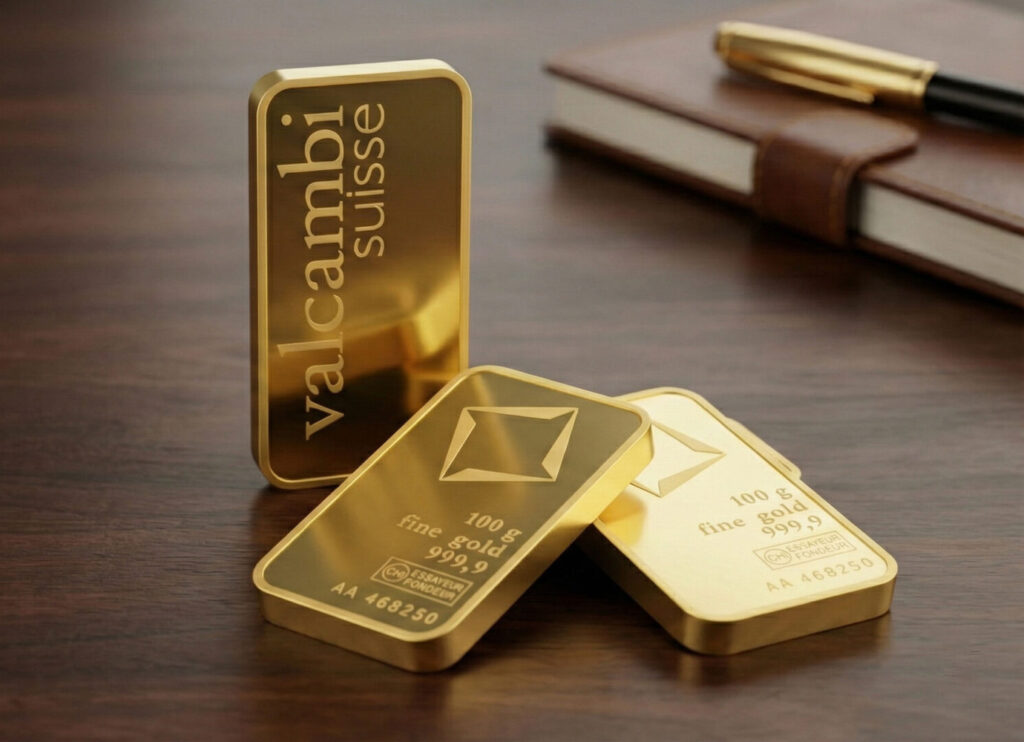
The correction: Choose products with established dealer recognition from the beginning. Silver American Eagles, Canadian Silver Maple Leafs, Gold Eagles, and bars from Valcambi, PAMP Suisse, and Perth Mint are recognized by every professional dealer globally. Read our complete guide on how to sell gold and silver before making your first purchase to understand how product choice affects your exit options.
Mistake 9: Confusing the Gold-to-Silver Ratio With a Timing Signal
New investors who discover the gold-to-silver ratio sometimes make a binary mistake: they interpret an elevated ratio as a guaranteed signal to sell all their gold and buy silver, expecting an imminent ratio compression. The ratio is a relative valuation indicator with a mean-reversion tendency — not a short-term timing tool. The ratio can remain elevated for years before compressing, and it can compress for reasons that do not benefit silver holders in absolute price terms.
The correction: Use the ratio as a systematic allocation guide — tilting new purchases toward silver when the ratio is historically elevated, toward gold when it is compressed — rather than as a trigger for dramatic portfolio restructuring. Maintain both metals regardless of ratio level. The ratio informs incremental allocation decisions, not wholesale position changes.
Mistake 10: Not Starting Soon Enough
The most expensive mistake in precious metals is the one that does not involve a product error, a dealer problem, or a storage failure. It is waiting — researching endlessly, waiting for a price dip, hesitating because the perfect entry point does not arrive — while inflation erodes the purchasing power of uninvested cash. Every month of waiting at elevated inflation rates is a month of real purchasing power reduction. The cost of waiting compounds invisibly.
The correction: Start with a position you are comfortable with, in products you understand, from a dealer you have verified. Build from there systematically. Read our beginner’s roadmap for the specific first-purchase sequence. Then act. The best time to start was years ago. The second best time is now. Browse our silver collection and gold collection for current pricing across every format we carry.
Frequently Asked Questions
Q: How do I know if a precious metals dealer is legitimate?
A: Verify AML/KYC compliance (legally required), a physical business address, transparent pricing updated daily against spot, clear shipping insurance and return policies, and positive reviews from established precious metals communities. Avoid dealers who cannot provide clear documentation of their compliance processes or who pressure immediate purchases with artificial urgency.
Q: Is buying silver a scam?
A: Buying physical silver from a legitimate, AML/KYC compliant dealer is not a scam — it is a straightforward purchase of a commodity with a documented spot price and transparent premium structure. Scams in the precious metals space typically involve counterfeit products, inflated premiums disguised as “special editions,” or high-pressure sales tactics pushing overpriced numismatic coins as “investments.”
Q: How can I tell if gold is fake?
A: Key tests: weight — genuine gold bars and coins have specific weights that counterfeit pieces struggle to replicate accurately. Magnet test — gold is not magnetic; if a coin or bar is attracted to a magnet, it is not gold. Professional XRF testing at a dealer provides definitive authentication. Buying from recognized refiners like Valcambi and PAMP Suisse in original sealed assay packaging eliminates the authentication question at the point of purchase.
Q: What is the biggest mistake first-time gold buyers make?
A: Paying inflated premiums without understanding the premium structure. Buyers who do not know what a fair premium looks like for a specific product have no way to evaluate whether they are getting a reasonable price. Read our premium guide before your first purchase.
Q: Should I buy gold and silver at the same time as a beginner?
A: Start with silver, then add gold once you understand the market. Both metals belong in a complete precious metals position — but the learning curve is gentler and less expensive in silver. Our beginner’s collection roadmap covers the optimal sequence in detail.