Guide
The Complete Guide to Gold and Silver Coin Grading
Walk into the numismatic side of any serious precious metals conversation and you will encounter a vocabulary that

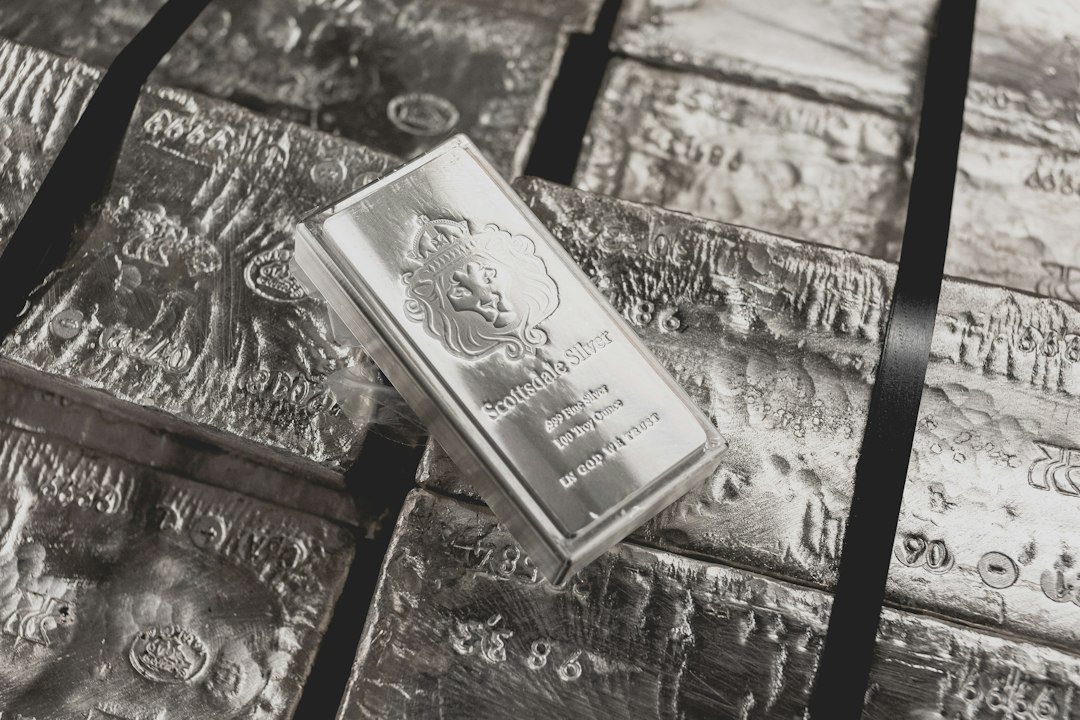
Silver made history on January 29, 2026, when it hit a nominal all-time high of $121.64 per troy ounce. Since then, the price has pulled back significantly, and right now, silver stands at approximately $61.37 per ounce as of September 29, 2026. That means the 10 oz silver bar, one of the most widely purchased forms of physical silver, carries a melt value in the $610 to $620 range at current prices. For anyone thinking about buying, selling, or simply understanding what their bar is worth, this guide walks through every factor that shapes the final number.
Silver’s price has fallen roughly 8.54% over the past month, yet it remains about 30% higher than a year ago. That kind of volatility is exactly why knowing how spot price, dealer premiums, bar size, and market context all interact is so important before you buy or sell a single ounce.
Spot price is the floor, not the price: The melt value of a 10 oz silver bar is approximately $611.90 at a spot price of $61.19/oz, but what you actually pay at a dealer will be higher once premiums are added.
Premiums on 10 oz bars run 3-10% over spot: 10 oz silver bars typically carry a premium of 3-6% over spot per ounce, with bulk discounts available. Always compare price per ounce across dealers before buying.
Silver has gained over 180% in five years: Silver’s five-year price change as of September 29, 2026 is approximately +182%, rising from around $21.57 per ounce. That long-term performance context matters when evaluating today’s pullback.
Dealer buy-back is below spot: A typical dealer offer for standard 10 oz silver bullion falls between 94% and 98% of spot price at resale. Factor that spread into your investment math before purchasing.
Taxes apply when you sell at a profit: The IRS treats physical silver as a collectible, meaning long-term gains are taxed at up to 28%, higher than standard long-term stock rates. Keep records of your purchase price from day one.
| Strategy | Best For | Effort Level | Time to Results |
|---|---|---|---|
| Buy secondary-market 10 oz bar | Budget-conscious first-timer | Low | Immediate |
| Compare premiums across multiple dealers | Anyone buying $500+ | Low | 1-2 hours |
| Dollar-cost average monthly | Long-term stackers | Medium | 6-12 months |
| Store in a bolted home safe with desiccants | All physical holders | Medium | Setup within a week |
| Track spot price before selling | Anyone liquidating | Low | Ongoing |
Start here if you’re:
A first-time buyer: Purchase a secondary-market 10 oz bar from a reputable dealer, lowest premiums, immediate market familiarity.
A cost-focused stacker: Compare price per ounce across multiple dealers; The melt value of a 10 oz silver tracked offers currently sits at 7.72%, so shopping around saves real money.
A long-term holder: Focus on storage quality and tax record-keeping from the start, not just purchase price.
The baseline melt value of a 10 oz silver bar oz silver bar is derived from global exchanges such as the COMEX in New York and the LBMA in London. The spot price reflects what one troy ounce of .999 fine silver would trade for right now on those markets. Multiply by 10, and you have your bar’s intrinsic value.
Silver spot price can fluctuate by the second, driven by investment supply and demand, and other factors. In practical terms, this means the value of your bar can shift meaningfully over a single trading session. Check the spot price on the day you intend to buy or sell, not the day before.
After surging by over 180% over the past year while eclipsing numerous all-time highs, silver traded near its record high of slightly under $100 per ounce in early 2026, a level that seemed remote just 18 months prior. Historically, silver reached an all-time high of $121.64 in January 2026. Since then, a pullback driven by rising Treasury yields and a stronger dollar has brought the price back into the low $60s, which Trading Economics data confirms is still roughly 30% above year-ago levels.
Pro Tip: Never confuse today’s spot price with last week’s. Silver moves fast. Before you call a dealer or click “buy now,” pull up a live spot price feed, the difference between a stale and current price could be $20-$30 per ounce.
The price of a 10 oz silver bar is based on the current spot price of silver, along with a premium that covers minting, distribution, and other costs. That premium is where the wide variation between dealers shows up, and it is the biggest controllable variable in your purchase.
Dealer premiums typically add anywhere from 10% to 30% above spot price for silver purchases in general, though this range fluctuates based on market conditions and dealer inventory, and premiums on 10-ounce bars tend to be lower overall. In practice, at current prices, you can find secondary-market 10 oz bars starting close to spot from some dealers, while new bars from named mints typically carry higher markups.
The single biggest cost-per-ounce gain in physical silver buying happens between 1 oz and 10 oz, typically a 4-5 percentage-point drop in premium over spot. After that, each step up (kilo, 100 oz) saves less. This is why the 10 oz bar hits a sweet spot for most buyers.
The single biggest cost-per-ounce into silver, a single 10 oz bar saves roughly $30-$50 in premium versus ten 1 oz bars. Across a $10,000 accumulation, that gap compounds to $300-$500. If you are building a position over time, those savings are real money.

Pro Tip: Always divide the listed bar price by 10 to get cost per ounce, then compare that figure across at least three dealers. FindBullionPrices aggregates live dealer prices in real time and makes the comparison straightforward.
Silver’s dual role as both a monetary metal and an industrial input gives it fundamentals that gold does not share. Industrial use reached 680.5 million ounces in 2024, accounting for around 60% of total global silver demand. That ratio makes physical supply and demand conditions far more relevant to long-term price support than investor sentiment alone.
Industrial applications including solar panels, electric vehicles, electronics, AI, and data centers continue to drive demand, while clean energy technologies reinforce silver’s role as a strategic metal. EVs, especially battery-electric vehicles, consume on average 67-79% more silver than internal combustion engine vehicles, with approximately 25-50 grams of silver per EV. That demand is not going away regardless of short-term price swings.
Silver ran a structural deficit for five consecutive years from 2021 through 2025, with a sixth projected for 2026. Industrial use reached 680.5 million over 70% of silver is produced as a by-product of mining other metals, limiting how quickly output can increase. When you buy a 10 oz bar today, you are buying into a market where raw supply genuinely lags demand at a structural level.
The action here: understand that today’s pullback from the January 2026 highs reflects monetary conditions and investor sentiment, not a collapse in fundamental demand. Use the Silver Institute’s annual supply-demand data to track the deficit figure each year as a baseline health check for the market.
A 10 oz silver bar is a bullion product made from ten troy ounces of .999 or .9999 fine silver, and these bars typically feature stamped hallmarks indicating purity, weight, and mint of origin. Those three pieces of information, weight, purity, and maker, are the baseline authentication check.
Hallmarks are official marks or series of marks stamped onto silver bars and other silver products. The marks provide information to consumers about their product’s purity, origin, and maker. A bar missing any of these stamps warrants caution.
The single biggest cost-per-ounce minted brand-name bars and secondary-market 10 oz bars. These bars are still produced by major refiners that have simply been resold by a previous owner. They may show light handling marks, tarnish, or scratches, but the silver content is unchanged.
Secondary-market bars carry the lowest premiums and are an excellent choice for buyers focused on accumulating silver content rather than presentation. For resale purposes, bars from widely recognized refiners carry the strongest liquidity. When purchasing from Fresh Desert Gold Co., you can expect clearly authenticated bars with insured, signature-required shipping, removing much of the authentication friction that comes with peer-to-peer purchases.
Pro Tip: In my experience, buyers who focus exclusively on premium minimization sometimes overlook the value of buying from a vetted dealer. A $5-per-ounce premium saved on a peer-to-peer purchase can evaporate instantly if the bar requires costly third-party verification before a dealer will buy it back.

To store silver bars safely, you need to control three things: humidity (keep it below 50%), temperature (steady 60-70 degrees Fahrenheit), and access, either a bolted 500-plus pound home safe or a professional depository.
Avoid storing silver in polyvinyl chloride (PVC) containers, as the chemical reaction between silver and PVC can cause damage and discoloration. Use airtight containers made from inert materials, add silica gel packets for moisture control, and keep bars in their original packaging when possible. Tarnish does not reduce a bar’s melt value, but it can create friction at resale with some dealers.
You do not owe any tax simply for owning bullion. No annual reporting, no mark-to-market, nothing. The taxable event is the sale.
If you sell silver held for one year or less, the gain is taxed as ordinary income at your normal bracket, which can reach 37% at the top. If you hold for more than one year, the gain is taxed at your ordinary rate but capped at a maximum of 28%.
When you sell silver to a dealer they are required to file Form 1099-B with the IRS if your transaction meets specific thresholds, typically when you sell 1,000 ounces or more of silver bars, or $1,000 face value of pre-1965 U.S. coins. A standard 10 oz bar sale is well below that threshold, but you are still legally obligated to report any capital gain. Keep your purchase receipts permanently.
Note: Tax law is complex and changes over time. Always consult a qualified tax professional before making decisions based on general information.
I’ve found that first-time sellers are often surprised by how much dealers discount their offer below spot. Dealers typically pay 94%-98% of spot for generic 10 oz silver bars. At a current spot of roughly $61 per ounce, that means a dealer buy-back on a 10 oz bar would likely come in between $575 and $600, a meaningful gap from the melt value.
The practical takeaway: buy at the lowest possible premium, hold for at least 12 months to access the lower long-term capital gains rate, and sell to a reputable dealer who publishes transparent buy-back prices. The spread between what you paid (including premium) and what a dealer will pay is the true cost of liquidity in physical silver. Minimizing that spread on both sides is what separates experienced stackers from first-time buyers.
The baseline melt value of a 10 oz silver bar premiums often expand due to increased demand and lower dealer inventory. The reverse is also true during pullbacks: premiums compress, and dealers become more selective about buy-back offers. Selling into strength, when spot is rising and demand is high, typically yields better buy-back terms than selling into a downturn.
At today’s spot price of approximately $61.19/oz, the melt value of a 10 oz silver bar is around $611.90. The price you will actually pay from a dealer will be higher due to premiums, which typically range from 3% to 10% above that melt value depending on the bar type and dealer. Use a live spot price calculator to get the exact figure on any given day, since the number shifts constantly.
Authentic bars display clear hallmarks showing weight, purity, and mint. Many refiners also use serial numbers, unique textures, or anti-counterfeiting elements such as security stamps or assay packaging. Buy from established bullion dealers with verifiable reputations, keep your original packaging and receipts, and request an assay card when possible. At-home magnet tests can help detect obvious fakes, but professional verification is the safest method for bars purchased from unknown sources.
Market timing is always uncertain, and this article cannot and does not offer personalized financial advice. What the data shows is that silver’s price has fallen 8.54% over the past month but is still 30.38% higher than a year ago. Structurally, silver has run a structural deficit for five consecutive years from 2021 through 2025, with a sixth projected for 2026. Whether current prices represent an opportunity depends on your individual financial situation, time horizon, and goals.
Yes, if you sell at a profit. Simply owning silver is not taxable. The tax event happens when you sell for more than you paid, and only the profit, your capital gain, is what gets taxed, not the full sale amount. Long-term gains on metal held more than one year are taxed at your ordinary marginal rate, up to a maximum of 28%, which is higher than rates applied to most long-term stock gains. Consult a tax professional for advice specific to your situation.
The single biggest cost-per-ounce silver, stamped with weight, purity, and the refiner’s hallmark. Bars from major recognized refiners carry the strongest secondary-market liquidity and the lowest authentication friction at resale. Generic or secondary-market bars cost less upfront because they carry lower premiums, but their resale may involve slightly more scrutiny from buyers. For most stackers focused on silver content rather than collectibility, the generic bar is the more cost-efficient choice.
The 10 oz silver bar sits at the intersection of accessibility and efficiency. It carries lower premiums than smaller bars, greater manageability than kilo or 100 oz formats, and strong secondary-market recognition. At today’s spot price around $61 per ounce, a 10 oz bar represents a melt value in the $610-$620 range, but the price you pay, and the price you’ll receive when selling, depends on far more than that baseline number.
Whether you are buying your first bar or adding to an existing stack, Fresh Desert Gold Co. offers competitively priced physical silver with insured shipping, signature-required delivery, and transparent pricing from a family-owned operation. Shopping with a dealer who stands behind their products and publishes honest buy-back terms is as important as any market timing decision you’ll make.
Silver Spot Price Data, Fortune.com. Live silver spot price as of September 29, 2026. https://fortune.com/article/current-price-of-silver-9-29-2026/
10 oz Silver Bar Melt Value and Dealer Premiums, FindBullionPrices.com. Live melt value and dealer price comparisons. The melt value of a 10 oz silver
10 oz Silver Bar Secondary Market Prices, FindBullionPrices.com. Live dealer offers updated hourly. FindBullionPrices
How Much Should I Pay for a 10-Ounce Silver Bar?, CBS News. Dealer premium analysis and spot price context. https://www.cbsnews.com/news/how-much-should-i-pay-for-10-ounce-silver-bar-february-2026/
Silver Bullion Buying Guide 2026: Coins, Bars, and Rounds Compared, GoldSilver.com. Premium comparison by bar size. https://goldsilver.com/industry-news/article/silver-coins-bars-and-rounds-compared/
Silver Price Historical Data, Trading Economics. Monthly historical silver price data 2024-2026. https://tradingeconomics.com/commodity/silver
10 oz Silver Bars: A Buyer’s Guide, FindBullionPrices.com. Premium math, refiner comparison, and buying checklist. The single biggest cost-per-ounce
Strong Industrial Demand Supports Silver in 2026, Equiti. EV and solar demand projections from 2026 market data. Industrial use reached 680.5 million
Silver Price Predictions for the Next 5 Years, GoldSilver.com. Supply deficit history and five-year price scenario analysis. https://goldsilver.com/industry-news/article/silver-price-predictions-next-5-years/
How to Store Silver Bars, Summit Metals Blog. Environmental storage requirements and home safe guidance. https://summitmetals.com/blogs/dollar-cost-averaging-dca/store-silver-bars-complete-guide
Bullion Tax Implications in the United States (2026 Guide), GoldAndSilverSaver.com. Capital gains rates, IRS classification, and reporting thresholds. https://www.goldandsilversaver.com/guides/bullion-tax-implications-us
Does the IRS Know If You Sell Silver?, CBS News. Form 1099-B reporting thresholds for silver bar sales. https://www.cbsnews.com/news/does-the-irs-know-if-you-sell-silver/
Tax on Selling Silver: US Capital Gains Explained, ScrapSilverCalc.com. Long-term vs. short-term capital gains treatment for physical silver. https://scrapsilvercalc.com/tax-on-selling-silver/

Walk into the numismatic side of any serious precious metals conversation and you will encounter a vocabulary that
Inflation is not an abstract economic concept — it is the measured, documented erosion of what your money
Among the analytical tools that serious precious metals investors use, one stands out for its simplicity and its