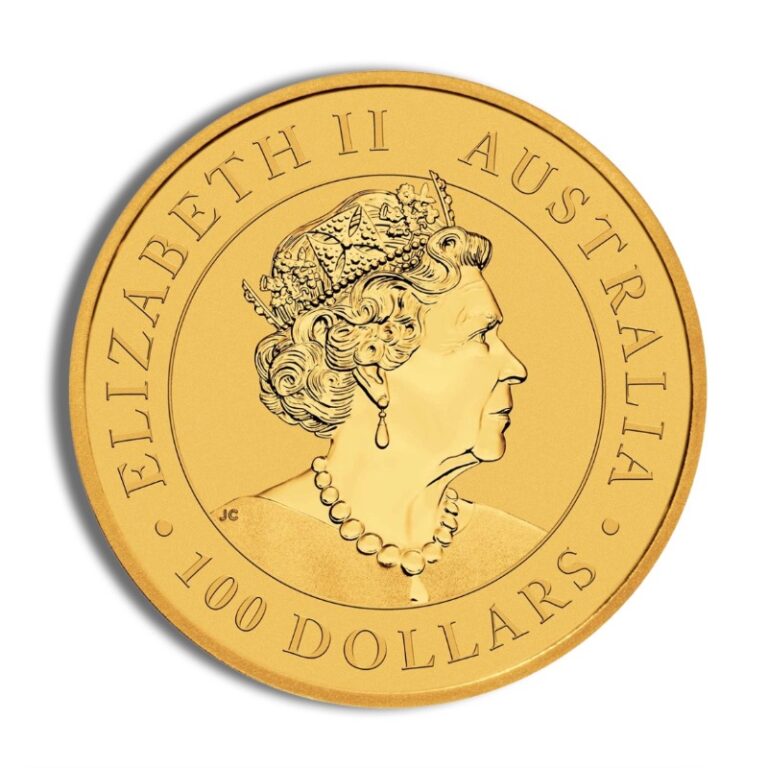
Guide
The Complete Guide to Gold and Silver Coin Grading
Walk into the numismatic side of any serious precious metals conversation and you will encounter a vocabulary that
Discover our collection of gold coins in a variety of weights, designs, and trusted mint options. Whether you’re investing, building your collection, or looking for a timeless gift, our gold coins offer a convenient way to own physical gold.
Discover our collection of gold coins in a variety of weights, designs, and trusted mint options. Whether you’re investing, building your collection, or looking for a timeless gift, our gold coins offer a convenient way to own physical gold.
Makes it simple to buy gold and precious metals with confidence. We offer a carefully selected range of gold bars, gold coins, platinum, silver, and other precious metals for investors, collectors, and anyone looking to own tangible assets.
Makes it simple to buy gold and precious metals with confidence. We offer a carefully selected range of gold bars, gold coins, platinum, silver, and other precious metals for investors, collectors, and anyone looking to own tangible assets.
Discover our collection of gold coins in a variety of weights, designs, and trusted mint options. Whether you’re investing, building your collection, or looking for a timeless gift, our gold coins offer a convenient way to own physical gold.
Discover our collection of gold coins in a variety of weights, designs, and trusted mint options. Whether you’re investing, building your collection, or looking for a timeless gift, our gold coins offer a convenient way to own physical gold.
Makes it simple to buy gold and precious metals with confidence. We offer a carefully selected range of gold bars, gold coins, platinum, silver, and other precious metals for investors, collectors, and anyone looking to own tangible assets.
Makes it simple to buy gold and precious metals with confidence. We offer a carefully selected range of gold bars, gold coins, platinum, silver, and other precious metals for investors, collectors, and anyone looking to own tangible assets.
Discover our collection of gold coins in a variety of weights, designs, and trusted mint options. Whether you’re investing, building your collection, or looking for a timeless gift, our gold coins offer a convenient way to own physical gold.
Discover our collection of gold coins in a variety of weights, designs, and trusted mint options. Whether you’re investing, building your collection, or looking for a timeless gift, our gold coins offer a convenient way to own physical gold.
Makes it simple to buy gold and precious metals with confidence. We offer a carefully selected range of gold bars, gold coins, platinum, silver, and other precious metals for investors, collectors, and anyone looking to own tangible assets.
Makes it simple to buy gold and precious metals with confidence. We offer a carefully selected range of gold bars, gold coins, platinum, silver, and other precious metals for investors, collectors, and anyone looking to own tangible assets.
Discover our collection of gold coins in a variety of weights, designs, and trusted mint options. Whether you’re investing, building your collection, or looking for a timeless gift, our gold coins offer a convenient way to own physical gold.
Discover our collection of gold coins in a variety of weights, designs, and trusted mint options. Whether you’re investing, building your collection, or looking for a timeless gift, our gold coins offer a convenient way to own physical gold.
Makes it simple to buy gold and precious metals with confidence. We offer a carefully selected range of gold bars, gold coins, platinum, silver, and other precious metals for investors, collectors, and anyone looking to own tangible assets.
Makes it simple to buy gold and precious metals with confidence. We offer a carefully selected range of gold bars, gold coins, platinum, silver, and other precious metals for investors, collectors, and anyone looking to own tangible assets.
Discover our collection of gold coins in a variety of weights, designs, and trusted mint options. Whether you’re investing, building your collection, or looking for a timeless gift, our gold coins offer a convenient way to own physical gold.
Discover our collection of gold coins in a variety of weights, designs, and trusted mint options. Whether you’re investing, building your collection, or looking for a timeless gift, our gold coins offer a convenient way to own physical gold.
Makes it simple to buy gold and precious metals with confidence. We offer a carefully selected range of gold bars, gold coins, platinum, silver, and other precious metals for investors, collectors, and anyone looking to own tangible assets.
Makes it simple to buy gold and precious metals with confidence. We offer a carefully selected range of gold bars, gold coins, platinum, silver, and other precious metals for investors, collectors, and anyone looking to own tangible assets.
Discover our collection of gold coins in a variety of weights, designs, and trusted mint options. Whether you’re investing, building your collection, or looking for a timeless gift, our gold coins offer a convenient way to own physical gold.
Discover our collection of gold coins in a variety of weights, designs, and trusted mint options. Whether you’re investing, building your collection, or looking for a timeless gift, our gold coins offer a convenient way to own physical gold.
Makes it simple to buy gold and precious metals with confidence. We offer a carefully selected range of gold bars, gold coins, platinum, silver, and other precious metals for investors, collectors, and anyone looking to own tangible assets.
Makes it simple to buy gold and precious metals with confidence. We offer a carefully selected range of gold bars, gold coins, platinum, silver, and other precious metals for investors, collectors, and anyone looking to own tangible assets.

Home » Physical Gold vs Gold ETF: Why Smart Investors Choose the Real Thing

The question comes up every time gold prices move: should I buy physical gold or just buy a gold ETF? Both give you exposure to gold prices. But that’s where the similarity ends. A gold ETF is a financial instrument. Physical gold is an asset. The distinction sounds simple, but it has profound implications for risk, taxation, fees, IRA eligibility, and what actually happens to your gold holding in the scenarios that make people want gold in the first place. This article makes the case for physical — because the evidence does.
A gold ETF trades on a stock exchange and claims to track the price of gold. Major funds like GLD, IAU, and SGOL hold physical gold in vaults on behalf of shareholders — in theory. When you buy ETF shares, you own a proportional claim on that gold. You do not own gold. You own a financial instrument that references gold, managed by a financial institution, under terms documented in a prospectus. That fund has a custodian who holds the gold. Possibly a sub-custodian. A prime broker. All operating within a financial system. If you’re buying gold because you want something outside the financial system — as a hedge against systemic risk, currency debasement, or institutional failure — a gold ETF is the wrong tool. It is protection from the system, purchased inside the system, managed by the system.
Every gold ETF involves counterparty risk. The ETF sponsor, custodian, sub-custodians, prime broker, and exchange are all links in a chain between you and the gold. If any link fails — through insolvency, fraud, misrepresentation, or systemic crisis — your claim may be impaired or delayed. This is not hypothetical. It is precisely the scenario that makes physical gold bars and gold coins valuable in the first place. Buying a gold ETF as a hedge against financial system instability is buying protection from the financial system within the financial system. A Valcambi 1 oz gold bar or a Gold Eagle coin in your possession has zero counterparty. The metal is yours. No institution stands between you and it.
Gold ETFs charge annual expense ratios — typically 0.25% for GLD, 0.09% for IAU. On a $50,000 gold position, 0.25% is $125 per year that comes directly out of your return. Over ten years, $1,250+ in fees on a position that provides no physical ownership, no ability to hold the asset, and no counterparty-free security. Physical gold bars and gold coins have no annual fees. None. You buy them, you own them. Storage in a quality home safe is a one-time cost. A PAMP Lady Fortuna bar purchased today costs exactly what it costs today — no annual fee erodes your position year after year.
Physical gold ETFs are classified by the IRS as grantor trusts holding collectibles. This means long-term capital gains on ETF shares are taxed at the collectibles rate — up to 28% — not the standard 15–20% long-term rate on equities. You pay expense ratios annually AND face a 28% tax rate on gains. Physical gold held personally faces the same collectibles rate. But physical gold held in a properly structured Gold IRA benefits from the same tax-deferred or tax-free treatment as any other IRA investment — zero annual tax drag, growth compounded on the full pre-tax amount, taxed only at distribution under standard IRA rules.
When you hold a Valcambi 1 oz gold bar or a Gold Eagle coin, you hold an asset recognized and accepted worldwide, requiring no account, no broker, no ETF sponsor, and no financial institution to maintain its value. You can sell it to any bullion dealer globally for market value. You can give it to your children. You can pass it through an estate. You can hold it during a period when financial markets are closed, inaccessible, or dysfunctional. That last point is not academic — it is the reason people hold gold at all.
Physical gold is also IRA eligible in a way that gives you real ownership within a tax-advantaged structure. A Gold IRA can hold .9999 fine bars from LBMA-accredited refiners — Valcambi Suisse, PAMP Suisse, Perth Mint, Argor-Heraeus — or approved coins like the Gold Eagle, Gold Buffalo, Gold Maple Leaf, and Austrian Gold Philharmonic. Tax-deferred growth on real, physically verified gold — not on shares in a fund.
ETF proponents cite convenience and liquidity: ETFs trade during market hours, require no storage, and can be bought or sold through any brokerage account. These are genuine advantages for investors who want to trade gold price exposure easily within a conventional account. But for investors whose reason for wanting gold is wealth preservation outside the financial system — buying gold bars online from a trusted dealer is simpler than the ETF argument suggests. We carry gold bars from 0.5 grams to 1 kilogram and gold coins in every major sovereign denomination. Orders ship fully insured from one of our secure US fulfillment facilities. See how our process works — it takes minutes.
| Factor | Physical Gold | Gold ETF |
| Ownership | You own the metal directly | You own shares in a fund |
| Counterparty Risk | None — metal is yours | Yes — sponsor, custodian, broker |
| Annual Fees | None | 0.09%–0.40% per year |
| Tax Rate (LT Gains) | Collectibles 28% | Collectibles 28% |
| Gold IRA Eligible | Yes — real metal in IRA | Not as physical gold IRA |
| Liquidity | Any bullion dealer worldwide | Exchange hours only |
| Crisis Utility | Accessible any time | Requires markets to function |
A gold ETF and physical gold are not two versions of the same investment — they are fundamentally different assets with different risks, different fees, different tax treatment, and different utility in a crisis. If you want to trade gold price exposure within a brokerage account with maximum friction-free convenience, an ETF accomplishes that. If you want to own gold — genuinely own it, with no counterparty, no annual fee drain, no institution between you and your asset — you need physical gold bars or physical gold coins. Fresh Desert Gold Co. carries both at competitive daily spot-based pricing. Browse our gold bars, gold coins, gram bars, and Arizona Goldbacks, or contact us if you have questions before your first purchase.
Q: Is physical gold better than a gold ETF?
A: For investors who want genuine asset ownership with no counterparty risk, no annual fees, IRA eligibility with real metal, and protection outside the financial system — yes. Physical gold bars and coins are categorically better. For investors who want gold price exposure as a trading instrument in a brokerage account, an ETF offers more convenience.
Q: Do gold ETFs charge annual fees?
A: Yes. Major gold ETFs charge annual expense ratios — GLD at 0.40%, IAU at 0.09%, SGOL at 0.17%. On a $50,000 position at 0.25%, that is $125 per year deducted automatically from your returns. Physical gold bars and coins have zero annual fees.
Q: What is the tax rate on gold ETF gains?
A: The IRS classifies physical gold ETFs as grantor trusts holding collectibles. Long-term gains are taxed at the collectibles rate — up to 28% — higher than the standard 15–20% long-term capital gains rate on equities. Physical gold in a properly structured Gold IRA benefits from standard IRA tax treatment: deferred growth, taxed only at distribution.
Q: Can I hold physical gold in an IRA?
A: Yes. A self-directed Precious Metals IRA can hold .9999 fine gold bars from LBMA-accredited refiners and approved gold coins — including the Gold Eagle, Gold Buffalo, and Maple Leaf. The metal must be stored with an IRS-approved custodian. Confirm specific product eligibility with your custodian.
Q: How do I buy physical gold online?
A: Browse our gold bars or gold coins, choose your product, create an account, and complete payment within 24 hours to lock your price. Every order ships fully insured with live tracking. See How It Works for the full process, or contact us with any questions.

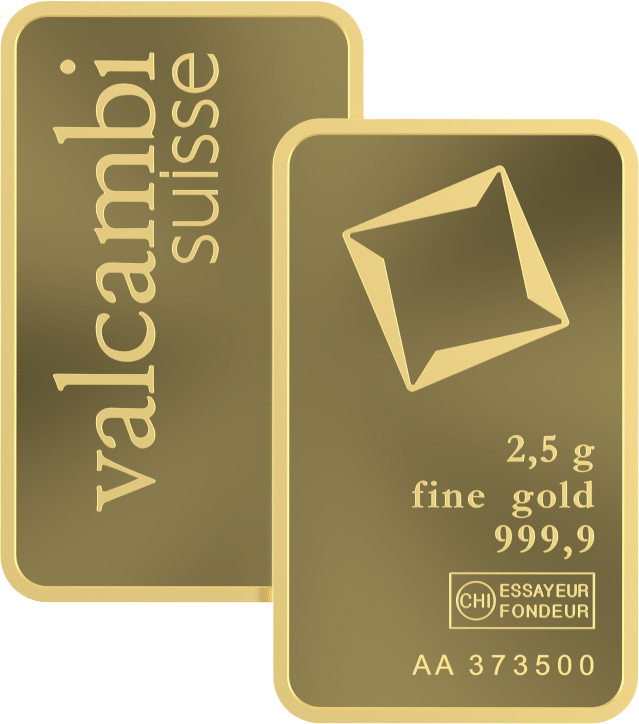
Investment-grade gold, priced with the live market and fully insured.
Prices, new stock and new guides. No spam.
Walk into the numismatic side of any serious precious metals conversation and you will encounter a vocabulary that
Inflation is not an abstract economic concept — it is the measured, documented erosion of what your money
Among the analytical tools that serious precious metals investors use, one stands out for its simplicity and its
Email us and a real person will help you choose the right gold for you.