Guide
The Complete Guide to Gold and Silver Coin Grading
Walk into the numismatic side of any serious precious metals conversation and you will encounter a vocabulary that
Discover our collection of gold coins in a variety of weights, designs, and trusted mint options. Whether you’re investing, building your collection, or looking for a timeless gift, our gold coins offer a convenient way to own physical gold.
Discover our collection of gold coins in a variety of weights, designs, and trusted mint options. Whether you’re investing, building your collection, or looking for a timeless gift, our gold coins offer a convenient way to own physical gold.
Makes it simple to buy gold and precious metals with confidence. We offer a carefully selected range of gold bars, gold coins, platinum, silver, and other precious metals for investors, collectors, and anyone looking to own tangible assets.
Makes it simple to buy gold and precious metals with confidence. We offer a carefully selected range of gold bars, gold coins, platinum, silver, and other precious metals for investors, collectors, and anyone looking to own tangible assets.
Discover our collection of gold coins in a variety of weights, designs, and trusted mint options. Whether you’re investing, building your collection, or looking for a timeless gift, our gold coins offer a convenient way to own physical gold.
Discover our collection of gold coins in a variety of weights, designs, and trusted mint options. Whether you’re investing, building your collection, or looking for a timeless gift, our gold coins offer a convenient way to own physical gold.
Makes it simple to buy gold and precious metals with confidence. We offer a carefully selected range of gold bars, gold coins, platinum, silver, and other precious metals for investors, collectors, and anyone looking to own tangible assets.
Makes it simple to buy gold and precious metals with confidence. We offer a carefully selected range of gold bars, gold coins, platinum, silver, and other precious metals for investors, collectors, and anyone looking to own tangible assets.
Discover our collection of gold coins in a variety of weights, designs, and trusted mint options. Whether you’re investing, building your collection, or looking for a timeless gift, our gold coins offer a convenient way to own physical gold.
Discover our collection of gold coins in a variety of weights, designs, and trusted mint options. Whether you’re investing, building your collection, or looking for a timeless gift, our gold coins offer a convenient way to own physical gold.
Makes it simple to buy gold and precious metals with confidence. We offer a carefully selected range of gold bars, gold coins, platinum, silver, and other precious metals for investors, collectors, and anyone looking to own tangible assets.
Makes it simple to buy gold and precious metals with confidence. We offer a carefully selected range of gold bars, gold coins, platinum, silver, and other precious metals for investors, collectors, and anyone looking to own tangible assets.
Discover our collection of gold coins in a variety of weights, designs, and trusted mint options. Whether you’re investing, building your collection, or looking for a timeless gift, our gold coins offer a convenient way to own physical gold.
Discover our collection of gold coins in a variety of weights, designs, and trusted mint options. Whether you’re investing, building your collection, or looking for a timeless gift, our gold coins offer a convenient way to own physical gold.
Makes it simple to buy gold and precious metals with confidence. We offer a carefully selected range of gold bars, gold coins, platinum, silver, and other precious metals for investors, collectors, and anyone looking to own tangible assets.
Makes it simple to buy gold and precious metals with confidence. We offer a carefully selected range of gold bars, gold coins, platinum, silver, and other precious metals for investors, collectors, and anyone looking to own tangible assets.
Discover our collection of gold coins in a variety of weights, designs, and trusted mint options. Whether you’re investing, building your collection, or looking for a timeless gift, our gold coins offer a convenient way to own physical gold.
Discover our collection of gold coins in a variety of weights, designs, and trusted mint options. Whether you’re investing, building your collection, or looking for a timeless gift, our gold coins offer a convenient way to own physical gold.
Makes it simple to buy gold and precious metals with confidence. We offer a carefully selected range of gold bars, gold coins, platinum, silver, and other precious metals for investors, collectors, and anyone looking to own tangible assets.
Makes it simple to buy gold and precious metals with confidence. We offer a carefully selected range of gold bars, gold coins, platinum, silver, and other precious metals for investors, collectors, and anyone looking to own tangible assets.
Discover our collection of gold coins in a variety of weights, designs, and trusted mint options. Whether you’re investing, building your collection, or looking for a timeless gift, our gold coins offer a convenient way to own physical gold.
Discover our collection of gold coins in a variety of weights, designs, and trusted mint options. Whether you’re investing, building your collection, or looking for a timeless gift, our gold coins offer a convenient way to own physical gold.
Makes it simple to buy gold and precious metals with confidence. We offer a carefully selected range of gold bars, gold coins, platinum, silver, and other precious metals for investors, collectors, and anyone looking to own tangible assets.
Makes it simple to buy gold and precious metals with confidence. We offer a carefully selected range of gold bars, gold coins, platinum, silver, and other precious metals for investors, collectors, and anyone looking to own tangible assets.

You have made the decision to own physical precious metals. You have purchased gold bars, silver coins, or both. Now comes the question that every new owner eventually faces — and frequently underestimates: where does it go, and how do you keep it safe? Storage is not a footnote to precious metals ownership. It is a fundamental part of it. This guide covers every practical dimension of storing physical gold and silver at home: safe selection, environmental protection, operational security, insurance, and the specific rules that apply if your metal is held in a Gold IRA.
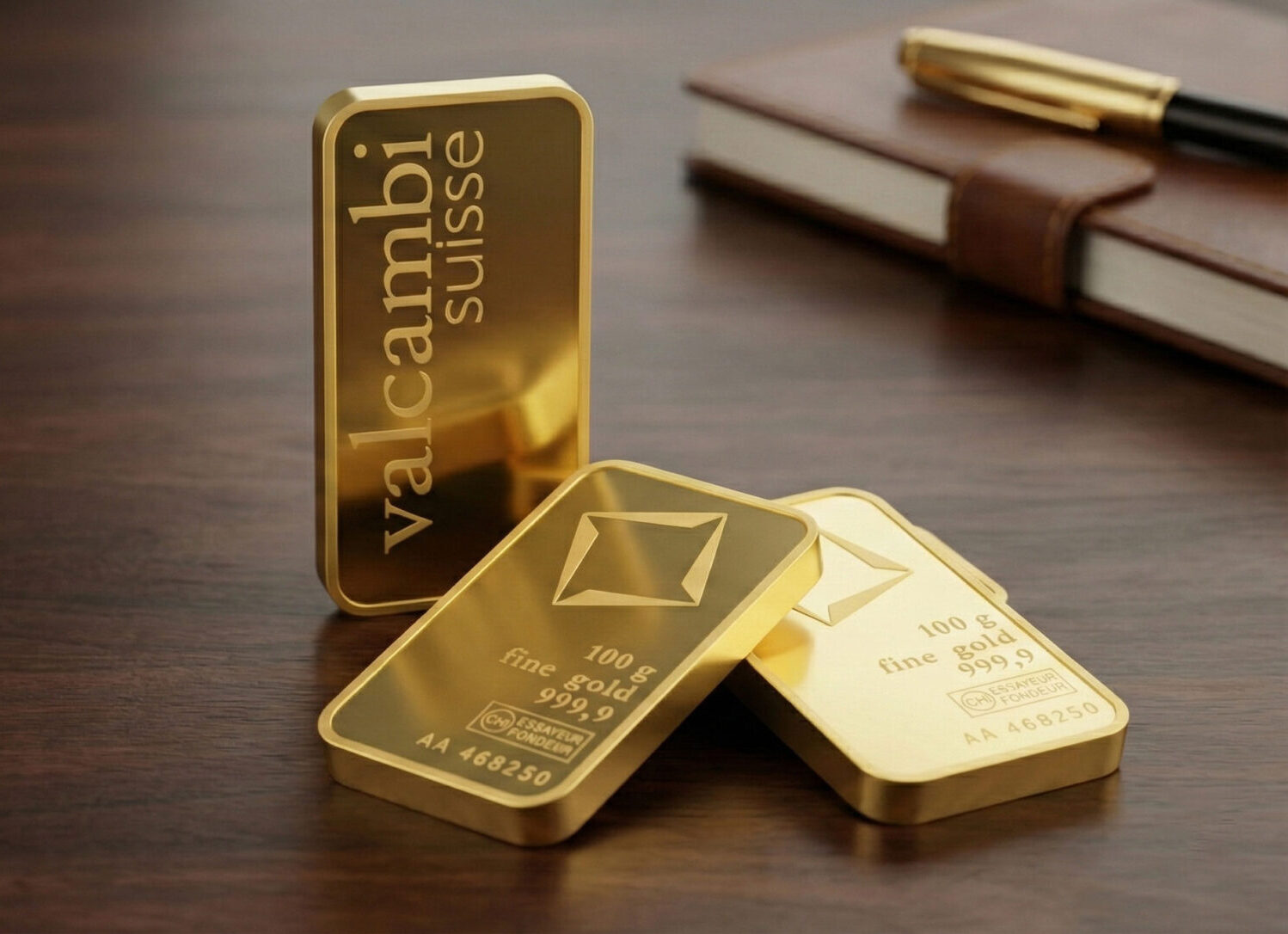
Physical gold and silver are the assets people choose specifically because they exist outside financial institutions — no account numbers, no third parties, no counterparty risk. That independence is the point. But it also means that the physical security of your metal is entirely your responsibility. A Valcambi 1 oz gold bar sitting unsecured in a desk drawer is not a store of value — it is a liability waiting to be realized. Proper storage converts that vulnerability into the asset it is supposed to be.
The good news: home storage done correctly is practical, affordable, and highly effective. The principles are straightforward. The execution requires attention once, not continuously.
The safe is the foundation of home precious metals storage. Not all safes are equivalent, and the differences matter significantly.
Weight is your first filter. Lightweight safes under 50 pounds can be physically removed from a home during a burglary. A safe that can be carried out and opened later provides almost no protection. Target a safe that weighs at minimum 150–200 pounds empty, or one that can be bolted to a floor or wall — both together is ideal.
Fire rating is the second filter. Gold does not melt until 1,948°F. Silver melts at 1,763°F. Most house fires burn between 1,100°F and 1,200°F, but can reach higher in sustained burns. Look for a UL-listed fire rating of at least 1 hour at 1,200°F. The rating tells you how long the interior of the safe stays below a critical threshold during a fire.
Burglary rating is the third filter. UL Residential Security Container (RSC) rating is the minimum standard worth considering for precious metals. The RSC rating requires the safe to resist a five-minute attack with common hand tools. Higher-rated safes — UL TL-15, TL-30 — resist sophisticated attacks for 15 or 30 minutes respectively with more powerful tools. For a meaningful bullion position, TL-15 or better is worth the investment.
Location matters. The best location for a home safe is a first-floor closet or a bolted concrete basement floor — not a master bedroom closet, which is the first place burglars look. Concealment adds a meaningful security layer.
Gold requires almost no environmental management — it does not oxidize, tarnish, or react with normal atmospheric conditions. Silver is different. Silver reacts chemically with sulfur compounds in the environment, producing silver sulfide — the grey-to-black toning that accumulates on silver coin surfaces over time. Toning does not affect the silver content of a silver bar or round, but it affects appearance and, for collector-grade pieces, can affect numismatic value.
Store silver in Airtite coin capsules — hard plastic snap-together holders that create a sealed environment around individual coins. They are inert and do not outgas chemicals. For bulk silver bars and larger pieces, archival-quality coin tubes sealed with plastic end caps are the practical alternative.
Keep humidity below 50% in your storage environment. A small silica gel desiccant pack placed inside your safe absorbs moisture and should be replaced or recharged every 6–12 months. Avoid storing silver in wooden drawers, rubber-banded stacks, or near newspaper — all of these outgas sulfur compounds that accelerate toning.
For silver coins or bars that have already developed toning, E-Z Est Coin Cleaner is the professional-grade, non-abrasive solution used by dealers and graders to safely remove surface contamination without scratching or etching the metal.
Operational security — OpSec — is the discipline of controlling who knows about your holdings. It is the most underappreciated aspect of precious metals storage and, in practice, the most important.
The rule is simple: fewer people knowing means fewer risk vectors. This applies to conversations at family gatherings, posts on social media, and discussions with acquaintances. The people most likely to know where your valuables are and when you are away from home are people you know. This is not paranoia — it is the statistical reality of property theft.
Do not discuss specific holdings, dollar amounts, or storage locations with anyone outside an immediate need-to-know. If you use a financial advisor, document your metals holdings as an asset in your estate plan without detailing storage specifics in written records that circulate broadly. Receive precious metals shipments during hours when you or a trusted person can take possession — do not allow insured packages to sit on a front porch. Our silver and gold shipments arrive in discreet, unbranded outer packaging for exactly this reason.
Standard homeowner’s insurance policies typically cover precious metals losses up to $1,000–$2,500. A position of any meaningful size is almost certainly underinsured by a standard policy. Options:
Scheduled personal property rider: An endorsement added to your existing homeowner’s policy that specifically insures your bullion at stated value. Requires an appraisal or receipt documentation. Annual premium is typically 0.5–1% of insured value.
Specialty precious metals insurance: Companies that specifically insure bullion collections, often at lower per-dollar rates than general riders, with broader coverage terms.
Bank safe deposit box: Not home storage, but a supplemental option for a portion of your holding — insured by your own policy or the bank’s, with access limited to banking hours. Note that safe deposit box contents are not FDIC insured.
Document your holdings with photographs, purchase receipts, and serial numbers (where applicable). Store this documentation separately from the metal itself — digitally in encrypted cloud storage works well.
If your precious metals are held in a self-directed Precious Metals IRA — gold bars, gold coins, silver, platinum, or palladium — they cannot be stored at home. Full stop. IRS regulations require IRA-held precious metals to be stored with an IRS-approved custodian and depository. Storing IRA metals at home constitutes a prohibited transaction and triggers immediate distribution taxes plus a 10% early withdrawal penalty. This rule applies regardless of safe quality, insurance coverage, or how secure your home storage actually is. If your metal is in an IRA, it stays at the depository.
Q: What is the best safe for storing gold and silver at home?
A: Look for a safe weighing at least 150–200 pounds empty (or one that bolts to concrete), a UL fire rating of at least 1 hour at 1,200°F, and a UL RSC or TL-15 burglary rating minimum. Install it in a non-obvious location — not a master bedroom closet. Brand names with strong reputations in the bullion community include Fort Knox, AMSEC, and Gardall.
Q: Can I store IRA gold at home?
A: No. IRS regulations require precious metals held in a self-directed Precious Metals IRA to be stored with an IRS-approved depository. Home storage of IRA metals constitutes a prohibited transaction and triggers tax penalties. Confirm storage requirements with your IRA custodian.
Q: How do I prevent silver from toning in storage?
A: Store silver in Airtite coin capsules or sealed archival coin tubes. Keep humidity below 50% with a silica gel desiccant in your safe. Avoid contact with sulfur-containing materials — rubber bands, wood, newspaper. For already-toned silver, E-Z Est Coin Cleaner is the professional non-abrasive solution for safe surface cleaning.
Q: Does homeowner’s insurance cover gold and silver?
A: Standard homeowner’s policies typically cap precious metals coverage at $1,000–$2,500 — far below a meaningful bullion position. Add a scheduled personal property rider specific to your bullion or use a specialty precious metals insurance policy. Document everything with photos and receipts.
Q: Should I tell my financial advisor about my physical gold?
A: Yes, for estate planning and asset documentation — your metals are an asset that should be accounted for in your overall financial picture. But be selective about how much detail you share in written records that circulate broadly, and apply the same OpSec discipline to professional conversations that you apply elsewhere.

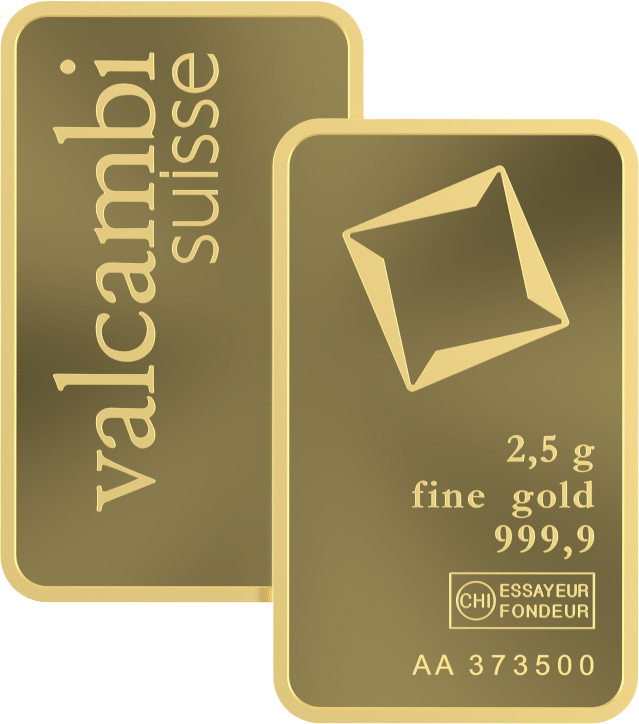
Investment-grade gold, priced with the live market and fully insured.
Prices, new stock and new guides. No spam.
Walk into the numismatic side of any serious precious metals conversation and you will encounter a vocabulary that
Inflation is not an abstract economic concept — it is the measured, documented erosion of what your money
Among the analytical tools that serious precious metals investors use, one stands out for its simplicity and its
Email us and a real person will help you choose the right gold for you.