
Guide
The Complete Guide to Gold and Silver Coin Grading
Walk into the numismatic side of any serious precious metals conversation and you will encounter a vocabulary that
Discover our collection of gold coins in a variety of weights, designs, and trusted mint options. Whether you’re investing, building your collection, or looking for a timeless gift, our gold coins offer a convenient way to own physical gold.
Discover our collection of gold coins in a variety of weights, designs, and trusted mint options. Whether you’re investing, building your collection, or looking for a timeless gift, our gold coins offer a convenient way to own physical gold.
Makes it simple to buy gold and precious metals with confidence. We offer a carefully selected range of gold bars, gold coins, platinum, silver, and other precious metals for investors, collectors, and anyone looking to own tangible assets.
Makes it simple to buy gold and precious metals with confidence. We offer a carefully selected range of gold bars, gold coins, platinum, silver, and other precious metals for investors, collectors, and anyone looking to own tangible assets.
Discover our collection of gold coins in a variety of weights, designs, and trusted mint options. Whether you’re investing, building your collection, or looking for a timeless gift, our gold coins offer a convenient way to own physical gold.
Discover our collection of gold coins in a variety of weights, designs, and trusted mint options. Whether you’re investing, building your collection, or looking for a timeless gift, our gold coins offer a convenient way to own physical gold.
Makes it simple to buy gold and precious metals with confidence. We offer a carefully selected range of gold bars, gold coins, platinum, silver, and other precious metals for investors, collectors, and anyone looking to own tangible assets.
Makes it simple to buy gold and precious metals with confidence. We offer a carefully selected range of gold bars, gold coins, platinum, silver, and other precious metals for investors, collectors, and anyone looking to own tangible assets.
Discover our collection of gold coins in a variety of weights, designs, and trusted mint options. Whether you’re investing, building your collection, or looking for a timeless gift, our gold coins offer a convenient way to own physical gold.
Discover our collection of gold coins in a variety of weights, designs, and trusted mint options. Whether you’re investing, building your collection, or looking for a timeless gift, our gold coins offer a convenient way to own physical gold.
Makes it simple to buy gold and precious metals with confidence. We offer a carefully selected range of gold bars, gold coins, platinum, silver, and other precious metals for investors, collectors, and anyone looking to own tangible assets.
Makes it simple to buy gold and precious metals with confidence. We offer a carefully selected range of gold bars, gold coins, platinum, silver, and other precious metals for investors, collectors, and anyone looking to own tangible assets.
Discover our collection of gold coins in a variety of weights, designs, and trusted mint options. Whether you’re investing, building your collection, or looking for a timeless gift, our gold coins offer a convenient way to own physical gold.
Discover our collection of gold coins in a variety of weights, designs, and trusted mint options. Whether you’re investing, building your collection, or looking for a timeless gift, our gold coins offer a convenient way to own physical gold.
Makes it simple to buy gold and precious metals with confidence. We offer a carefully selected range of gold bars, gold coins, platinum, silver, and other precious metals for investors, collectors, and anyone looking to own tangible assets.
Makes it simple to buy gold and precious metals with confidence. We offer a carefully selected range of gold bars, gold coins, platinum, silver, and other precious metals for investors, collectors, and anyone looking to own tangible assets.
Discover our collection of gold coins in a variety of weights, designs, and trusted mint options. Whether you’re investing, building your collection, or looking for a timeless gift, our gold coins offer a convenient way to own physical gold.
Discover our collection of gold coins in a variety of weights, designs, and trusted mint options. Whether you’re investing, building your collection, or looking for a timeless gift, our gold coins offer a convenient way to own physical gold.
Makes it simple to buy gold and precious metals with confidence. We offer a carefully selected range of gold bars, gold coins, platinum, silver, and other precious metals for investors, collectors, and anyone looking to own tangible assets.
Makes it simple to buy gold and precious metals with confidence. We offer a carefully selected range of gold bars, gold coins, platinum, silver, and other precious metals for investors, collectors, and anyone looking to own tangible assets.
Discover our collection of gold coins in a variety of weights, designs, and trusted mint options. Whether you’re investing, building your collection, or looking for a timeless gift, our gold coins offer a convenient way to own physical gold.
Discover our collection of gold coins in a variety of weights, designs, and trusted mint options. Whether you’re investing, building your collection, or looking for a timeless gift, our gold coins offer a convenient way to own physical gold.
Makes it simple to buy gold and precious metals with confidence. We offer a carefully selected range of gold bars, gold coins, platinum, silver, and other precious metals for investors, collectors, and anyone looking to own tangible assets.
Makes it simple to buy gold and precious metals with confidence. We offer a carefully selected range of gold bars, gold coins, platinum, silver, and other precious metals for investors, collectors, and anyone looking to own tangible assets.

Retirement accounts exist for one purpose: to grow and protect wealth across decades, so that what you have saved in your working years translates into genuine purchasing power when you need it. A traditional IRA does this through paper assets — stocks, bonds, mutual funds — denominated in dollars. A Gold IRA does something categorically different: it holds physical precious metals that exist outside the dollar-denominated financial system entirely. Both are tax-advantaged. Both follow IRS rules. But they protect against completely different risks — and for a meaningful segment of serious retirement investors in 2026, understanding that distinction is the most important financial decision they can make.
A Gold IRA is a self-directed Individual Retirement Account (SDIRA) — a specific IRS-recognized account structure that allows holders to include alternative assets beyond the stocks, bonds, and mutual funds that conventional IRAs offer. The term “Gold IRA” is commonly used but somewhat misleading: a properly structured Precious Metals IRA can hold gold, silver, platinum, and palladium — all four major investment precious metals — provided the specific products meet IRS purity requirements.
What a Gold IRA is not: it is not a paper gold account. It is not a gold ETF held in an IRA wrapper. It is not a futures position. The metal held in a Precious Metals IRA is physical, allocated, and stored in an IRS-approved depository on your behalf. You own specific bars or coins — not shares in a fund. When the account is properly structured, the chain of custody from your purchase to the depository vault is documented and your specific metals are segregated or identified.
This distinction matters enormously. A gold ETF in a conventional IRA gives you gold price exposure through a financial instrument that carries all the counterparty risks of the ETF structure — sponsor, custodian, sub-custodian — within a tax-advantaged wrapper. A Gold IRA gives you actual metal, held outside the banking system, within a tax-advantaged wrapper. They are not the same thing.
Both account types follow the same fundamental IRS framework for contributions and distributions. The 2026 contribution limit is the same — $7,000 per year, $8,000 if you are 50 or older. Both offer either traditional (pre-tax contributions, taxable distributions) or Roth (after-tax contributions, tax-free distributions) structures. Required Minimum Distributions apply to both traditional versions starting at age 73.
Where they diverge entirely is in what the account holds and what risks it protects against.
A conventional IRA holds dollar-denominated paper assets. It grows when those assets appreciate. It suffers when equity markets decline, when inflation erodes purchasing power, or when the dollar weakens against real goods. Every dollar of nominal gain inside a conventional IRA is still a dollar — subject to whatever the dollar’s purchasing power is at the moment of distribution.
A Gold IRA holds physical gold bars, gold coins, silver, platinum, and palladium at approved purity levels. It grows when precious metals prices rise — which historically correlates with the precise conditions that erode conventional IRA value: inflation, dollar weakness, and financial system stress. The two account types are not competitors. For sophisticated retirement investors, they are complements: conventional for growth exposure, Gold IRA for systemic risk protection.
The IRS is specific. Section 408(m) of the Internal Revenue Code defines which precious metals are eligible for IRA inclusion. The purity requirements:
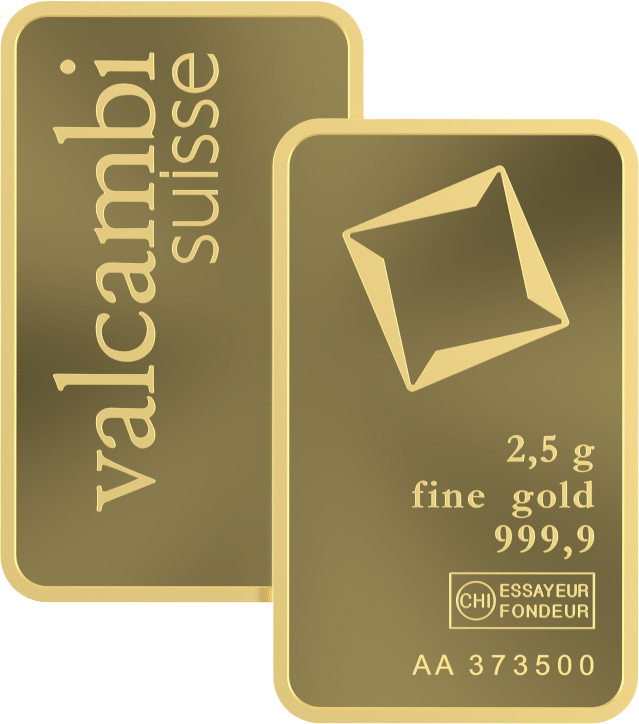
Gold: .995 fine or better. This covers virtually all investment-grade gold bars from LBMA-accredited refiners — Valcambi, PAMP Suisse, Perth Mint, Argor-Heraeus at .9999 fine all qualify. Eligible coins specifically named in IRS code include the American Gold Eagle (the only .9167 fine coin with specific statutory naming), American Gold Buffalo, Canadian Gold Maple Leaf, and Austrian Gold Philharmonic.
Silver: .999 fine or better. Eligible coins include the Silver American Eagle, Canadian Silver Maple Leaf, and Austrian Silver Philharmonic. Approved .999 fine silver bars qualify.
Platinum: .9995 fine. The Platinum American Eagle is specifically named. .9995 fine bars from approved refiners qualify.
Palladium: .9995 fine. The Palladium Maple Leaf is specifically named. Approved .9995 fine bars qualify.
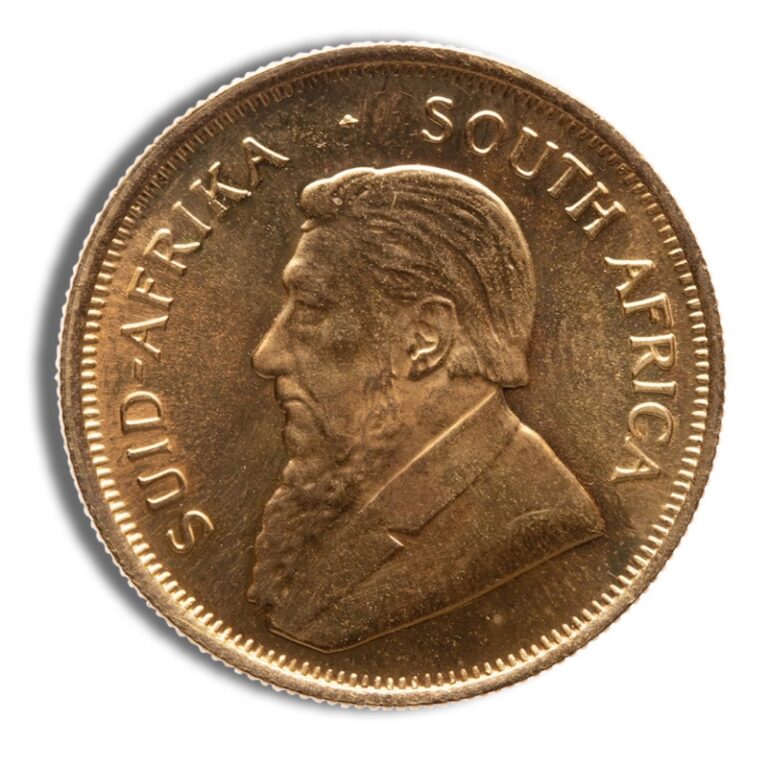
What is not eligible: collectible coins, proof coins held outside original mint packaging in some custodian interpretations, South African Krugerrands (not specifically named in IRS code for gold), and any metal below the stated fineness threshold.
This is where Gold IRAs require honest evaluation. Unlike a conventional IRA at a major brokerage — which may have zero annual fees beyond fund expense ratios — a Precious Metals IRA carries real operating costs:
Custodian fees: A self-directed IRA custodian handles the administrative and compliance requirements of the account. Annual custodian fees typically range from $75 to $300 per year depending on the provider.
Storage fees: Your physical metal is held at an IRS-approved depository — facilities like Delaware Depository, Brinks, or IDS of Delaware. Annual storage fees typically range from 0.5% to 1% of account value, or flat fees of $100–$300 per year depending on storage type (segregated vs commingled).
Transaction fees: Buying and selling within the account may incur per-transaction fees from the custodian.
The honest calculus: on a $50,000 Gold IRA position, total annual fees of $300–$600 represent 0.6%–1.2% of account value. For investors who are paying this for genuine protection against systemic financial risk — inflation, dollar debasement, equity market correlation — this cost may be entirely justified. For investors who want gold price exposure primarily as a trading instrument, a gold ETF in a conventional IRA is cheaper to operate. The decision comes down to what you are actually buying: price exposure, or the physical asset itself.
A Gold IRA makes strong sense for investors with meaningful conventional IRA balances who want to allocate 5–20% to physical precious metals as a non-correlated asset, investors approaching or in retirement who are more focused on wealth preservation than aggressive growth, investors who specifically want the physical metal — not paper exposure — within a tax-advantaged structure, and investors who believe the macro environment of 2026 — elevated debt levels, persistent inflation, dollar reserve currency questions — creates above-average systemic risk.
A Gold IRA is less suitable for investors with small total retirement balances where fixed custodian and storage fees represent a high percentage of account value, investors who want frequent trading flexibility, and investors whose primary goal is maximum long-term growth through equity exposure.
The most common sophisticated approach: maintain a conventional IRA or 401k for primary equity exposure, and open a separate Precious Metals IRA for a specific allocation — treating the two as complementary components of a complete retirement strategy rather than alternatives.
Q: How do I open a Gold IRA?
A: You need three things: a self-directed IRA custodian approved by the IRS to administer alternative asset accounts, an IRS-approved precious metals depository to store the metal, and a precious metals dealer to supply the eligible products. The process: open the SDIRA with your chosen custodian, fund it via transfer, rollover, or new contribution, then direct the custodian to purchase specific eligible metals from your dealer. The metals ship directly to the depository — never to you personally.
Q: Can I roll over a 401k into a Gold IRA?
A: Yes. A direct rollover from a 401k or conventional IRA into a self-directed Precious Metals IRA is a standard process that does not trigger taxes or penalties if executed correctly as a direct institution-to-institution transfer. Confirm the rollover process with both your current custodian and your new SDIRA custodian before initiating.
Q: Can I take physical possession of Gold IRA metals?
A: Not while they remain in the IRA. Taking personal possession of IRA-held metals constitutes a distribution — it is taxable and, before age 59½, subject to the 10% early withdrawal penalty. Upon distribution after age 59½, you can take the physical metal in kind rather than selling it — this is one of the features serious investors value about physical metal IRAs versus ETF-based alternatives.
Q: What is the best gold to buy for an IRA?
A: The most straightforward choices are the American Gold Eagle and American Gold Buffalo — specifically named in IRS code, accepted by every custodian without question. .9999 fine gold bars from LBMA-accredited refiners — Valcambi, PAMP, Perth Mint — are also widely accepted. Confirm specific product eligibility with your chosen custodian before purchasing.
Q: Is a Gold IRA worth the fees?
A: For investors who specifically want physical precious metals — not paper exposure — within a tax-advantaged account, and who have a position size where fixed fees represent a reasonable percentage of account value, yes. On a $100,000 precious metals IRA, annual fees of $400–$700 represent 0.4%–0.7% of account value for genuine physical asset protection. Whether that cost is justified depends entirely on your investment thesis and risk management goals.

Investment-grade gold, priced with the live market and fully insured.
Prices, new stock and new guides. No spam.
Walk into the numismatic side of any serious precious metals conversation and you will encounter a vocabulary that
Inflation is not an abstract economic concept — it is the measured, documented erosion of what your money
Among the analytical tools that serious precious metals investors use, one stands out for its simplicity and its
Email us and a real person will help you choose the right gold for you.