
Guide
The Complete Guide to Gold and Silver Coin Grading
Walk into the numismatic side of any serious precious metals conversation and you will encounter a vocabulary that
Discover our collection of gold coins in a variety of weights, designs, and trusted mint options. Whether you’re investing, building your collection, or looking for a timeless gift, our gold coins offer a convenient way to own physical gold.
Discover our collection of gold coins in a variety of weights, designs, and trusted mint options. Whether you’re investing, building your collection, or looking for a timeless gift, our gold coins offer a convenient way to own physical gold.
Makes it simple to buy gold and precious metals with confidence. We offer a carefully selected range of gold bars, gold coins, platinum, silver, and other precious metals for investors, collectors, and anyone looking to own tangible assets.
Makes it simple to buy gold and precious metals with confidence. We offer a carefully selected range of gold bars, gold coins, platinum, silver, and other precious metals for investors, collectors, and anyone looking to own tangible assets.
Discover our collection of gold coins in a variety of weights, designs, and trusted mint options. Whether you’re investing, building your collection, or looking for a timeless gift, our gold coins offer a convenient way to own physical gold.
Discover our collection of gold coins in a variety of weights, designs, and trusted mint options. Whether you’re investing, building your collection, or looking for a timeless gift, our gold coins offer a convenient way to own physical gold.
Makes it simple to buy gold and precious metals with confidence. We offer a carefully selected range of gold bars, gold coins, platinum, silver, and other precious metals for investors, collectors, and anyone looking to own tangible assets.
Makes it simple to buy gold and precious metals with confidence. We offer a carefully selected range of gold bars, gold coins, platinum, silver, and other precious metals for investors, collectors, and anyone looking to own tangible assets.
Discover our collection of gold coins in a variety of weights, designs, and trusted mint options. Whether you’re investing, building your collection, or looking for a timeless gift, our gold coins offer a convenient way to own physical gold.
Discover our collection of gold coins in a variety of weights, designs, and trusted mint options. Whether you’re investing, building your collection, or looking for a timeless gift, our gold coins offer a convenient way to own physical gold.
Makes it simple to buy gold and precious metals with confidence. We offer a carefully selected range of gold bars, gold coins, platinum, silver, and other precious metals for investors, collectors, and anyone looking to own tangible assets.
Makes it simple to buy gold and precious metals with confidence. We offer a carefully selected range of gold bars, gold coins, platinum, silver, and other precious metals for investors, collectors, and anyone looking to own tangible assets.
Discover our collection of gold coins in a variety of weights, designs, and trusted mint options. Whether you’re investing, building your collection, or looking for a timeless gift, our gold coins offer a convenient way to own physical gold.
Discover our collection of gold coins in a variety of weights, designs, and trusted mint options. Whether you’re investing, building your collection, or looking for a timeless gift, our gold coins offer a convenient way to own physical gold.
Makes it simple to buy gold and precious metals with confidence. We offer a carefully selected range of gold bars, gold coins, platinum, silver, and other precious metals for investors, collectors, and anyone looking to own tangible assets.
Makes it simple to buy gold and precious metals with confidence. We offer a carefully selected range of gold bars, gold coins, platinum, silver, and other precious metals for investors, collectors, and anyone looking to own tangible assets.
Discover our collection of gold coins in a variety of weights, designs, and trusted mint options. Whether you’re investing, building your collection, or looking for a timeless gift, our gold coins offer a convenient way to own physical gold.
Discover our collection of gold coins in a variety of weights, designs, and trusted mint options. Whether you’re investing, building your collection, or looking for a timeless gift, our gold coins offer a convenient way to own physical gold.
Makes it simple to buy gold and precious metals with confidence. We offer a carefully selected range of gold bars, gold coins, platinum, silver, and other precious metals for investors, collectors, and anyone looking to own tangible assets.
Makes it simple to buy gold and precious metals with confidence. We offer a carefully selected range of gold bars, gold coins, platinum, silver, and other precious metals for investors, collectors, and anyone looking to own tangible assets.
Discover our collection of gold coins in a variety of weights, designs, and trusted mint options. Whether you’re investing, building your collection, or looking for a timeless gift, our gold coins offer a convenient way to own physical gold.
Discover our collection of gold coins in a variety of weights, designs, and trusted mint options. Whether you’re investing, building your collection, or looking for a timeless gift, our gold coins offer a convenient way to own physical gold.
Makes it simple to buy gold and precious metals with confidence. We offer a carefully selected range of gold bars, gold coins, platinum, silver, and other precious metals for investors, collectors, and anyone looking to own tangible assets.
Makes it simple to buy gold and precious metals with confidence. We offer a carefully selected range of gold bars, gold coins, platinum, silver, and other precious metals for investors, collectors, and anyone looking to own tangible assets.

Every investor who decides to own physical gold eventually faces the same question: gold bars or gold coins? Both contain the same metal. Both are priced against the same spot rate. But they are not the same product — and the difference between them determines how much you pay, how easily you sell, and how your gold fits into a long-term wealth strategy. This guide breaks down every real difference so you can make an informed decision.
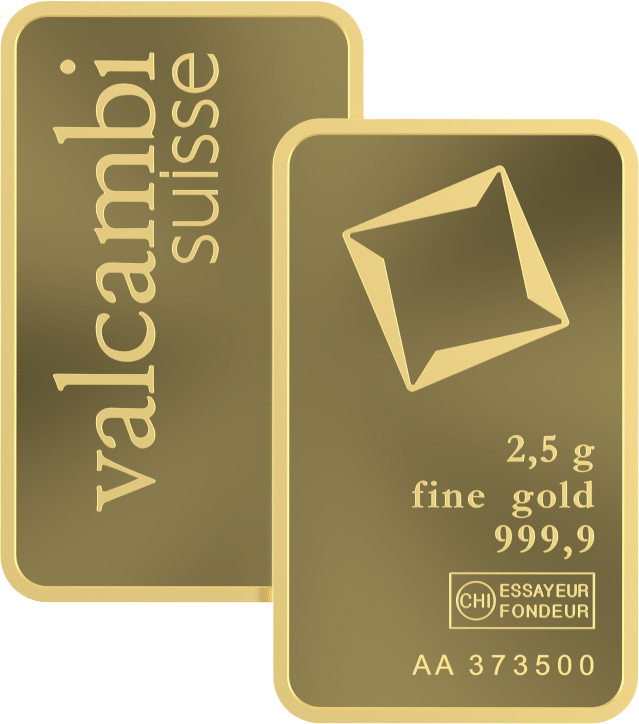
A gold bar is produced by a private refiner — Valcambi Suisse, PAMP Suisse, Perth Mint, Argor-Heraeus — with a single focus: put the most gold into the most cost-efficient form. No minting process, no government certification requirement, no face value obligation. Just verified, stamped, assay-certified gold at the closest possible price to spot.
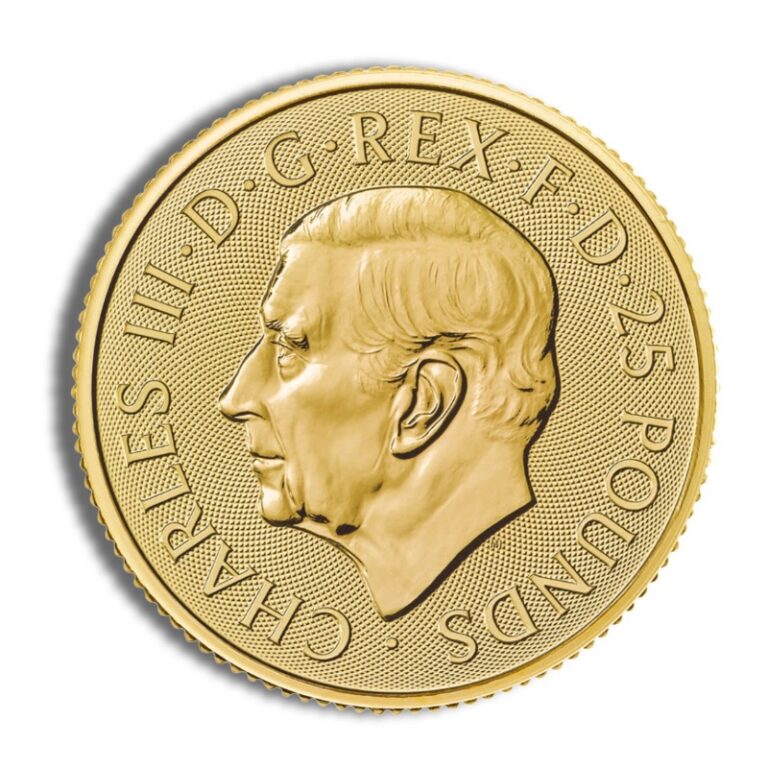
A gold coin is issued by a sovereign government mint — the US Mint, Royal Canadian Mint, Austrian Mint, The Royal Mint — and carries legal tender status in its country of issue. The production standards for legal tender coinage are significantly higher than for private bullion bars, and those standards cost money. That cost passes to the buyer as a higher premium over spot. When you buy a Gold Eagle or a Canadian Gold Maple Leaf, part of what you are paying for is the sovereign mint backing, the legal tender status, and the globally recognized name — not just the gold.
The premium is the amount you pay above the current gold spot price — it covers manufacturing, assaying, packaging, and distribution. Gold bars consistently carry lower premiums than coins of equivalent gold content. At the one-ounce level, a 1 oz Valcambi gold bar or PAMP Lady Fortuna bar will almost always cost less per ounce than a 1 oz Gold Eagle or Maple Leaf containing the same gold. This is a structural reality of how each product is made — not a temporary market condition.
Typical Premium Comparison — 1 oz Level:
|
For investors accumulating gold in volume, this per-ounce premium difference compounds significantly. Buying ten 1 oz gold bars instead of ten 1 oz Gold Eagle coins can represent a meaningful saving that stays in gold content rather than going to minting overhead. Smaller formats — gram bars and fractional coins — carry higher per-ounce premiums than one-ounce pieces in both categories.
Both gold bars from LBMA-accredited refiners and gold coins from major sovereign mints are highly liquid — any professional bullion dealer will buy them. The practical difference appears when selling outside dealer channels. A Silver American Eagle or Gold Eagle is recognized by virtually every coin shop, pawn shop, and private buyer in North America. Bars from Valcambi, PAMP, or Perth Mint are equally liquid through dealers — but less familiar to non-specialist buyers.
For investors whose exit strategy is selling through professional bullion dealers, liquidity is essentially equal between bars and coins from recognized producers. For investors who want the widest possible pool of buyers — including private sales and non-specialist outlets — sovereign mint coins carry an edge in general recognition.
If you are purchasing gold for a self-directed Precious Metals IRA, eligibility rules matter significantly. The IRS requires gold held in an IRA to be .995 fine or better. Most .9999 fine bars from LBMA-accredited refiners qualify. Specific coins have name-based eligibility:
Gold bars at .9999 fine from LBMA-equivalent refiners like Valcambi Suisse, PAMP Suisse, and Perth Mint meet the IRS fineness requirement. Always confirm specific product eligibility with your IRA custodian before purchasing.
Choose gold bars when your primary goal is to maximize gold content per dollar spent. Bars are the right format for investors accumulating systematically at the lowest possible per-ounce premium, investors building large positions where premium savings compound meaningfully over volume, buyers whose exit strategy is selling through professional dealers where bar liquidity equals coin liquidity, and investors drawn to innovative divisible products like the Valcambi 100x1g Gold CombiBar — which allows you to hold 100 grams in one piece and separate individual grams as needed for gifting, trading, or partial liquidation.
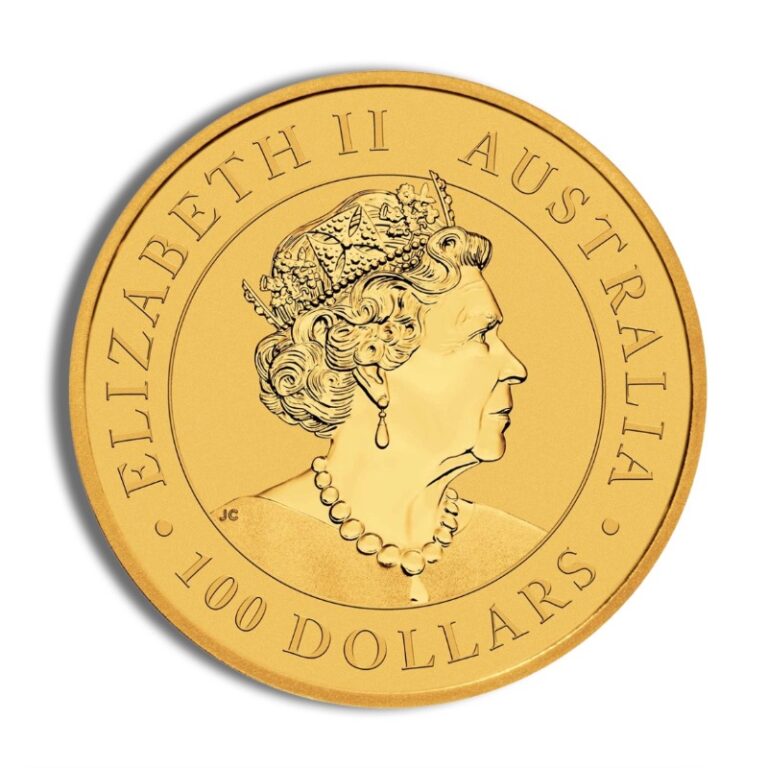
Choose gold coins when legal tender credibility, sovereign mint backing, or maximum buyer recognition matter. Coins are right for investors who prioritize resale flexibility including non-dealer buyers, buyers purchasing for a Precious Metals IRA who want name-in-code certainty, collectors drawn to the artistry of annual designs like the Chinese Gold Panda or Australian Gold Kangaroo, and gift buyers for whom the name recognition of a Gold Eagle or Maple Leaf adds meaning beyond the gold weight itself.
Many experienced investors hold both — not as a compromise, but as a deliberate strategy. Gold bars provide cost-efficient bulk accumulation at lower premiums. Gold coins provide sovereign credibility, IRA eligibility, and wider name recognition. A portfolio of PAMP Suisse bars alongside Gold Eagles and Maple Leafs gives you premium efficiency for the bulk of your position with maximum flexibility for the portion you may want to sell or trade in the near term. Fresh Desert Gold Co. carries both formats across every major size and refiner.
Q: Are gold bars cheaper than gold coins?
A: Yes — gold bars from private refiners carry a lower premium over spot than gold coins of equivalent gold content. At the one-ounce level, a Valcambi or PAMP Suisse bar will typically cost less than a Gold Eagle or Maple Leaf containing the same gold.
Q: Which is better for a Gold IRA — bars or coins?
A: Both can qualify. .9999 fine gold bars from LBMA-accredited refiners meet the IRS fineness requirement. The American Gold Eagle and Buffalo, Canadian Maple Leaf, and Austrian Philharmonic are also IRA-approved. The Krugerrand is generally not IRA eligible. Confirm with your custodian.
Q: Are gold coins easier to sell than gold bars?
A: Through professional bullion dealers, gold bars and gold coins are equally liquid. Sovereign mint coins like the Gold Eagle have slightly wider recognition with non-specialist buyers such as coin shops and private sellers.
Q: Can I buy both gold bars and gold coins?
A: Yes — and many experienced investors do. Browse our gold bars and gold coins at Fresh Desert Gold Co. A combination of both gives you premium efficiency alongside maximum liquidity flexibility.
Q: What purity are gold bars vs gold coins?
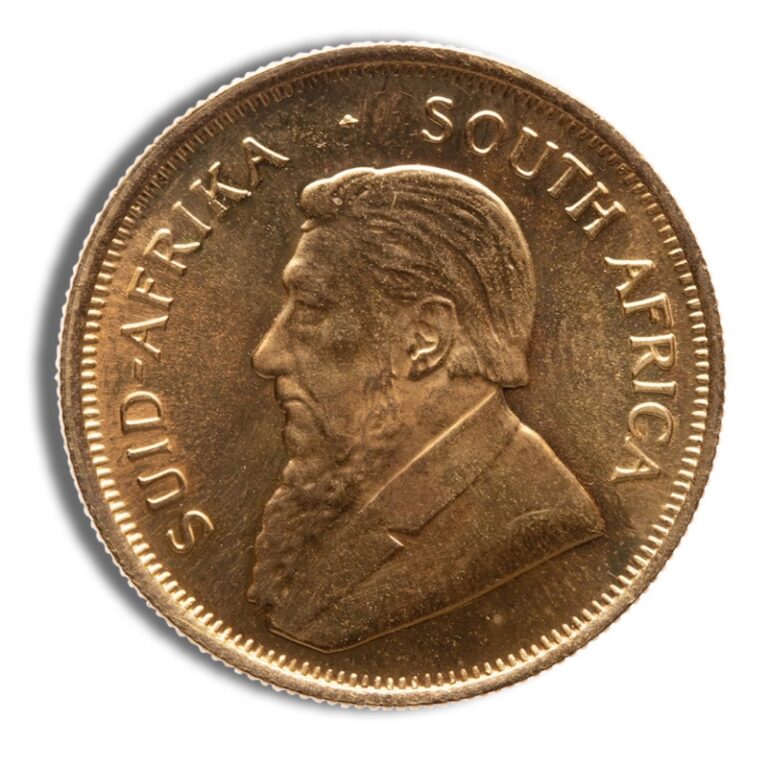
A: Most investment-grade gold bars are .9999 fine. Most major coins — Gold Buffalo, Maple Leaf, Philharmonic, Britannia, Kangaroo — are also .9999 fine. The Gold Eagle and Krugerrand are 22 karat / .9167 fine, alloyed for durability, with one full troy ounce of gold content.

Investment-grade gold, priced with the live market and fully insured.
Prices, new stock and new guides. No spam.
Walk into the numismatic side of any serious precious metals conversation and you will encounter a vocabulary that
Inflation is not an abstract economic concept — it is the measured, documented erosion of what your money
Among the analytical tools that serious precious metals investors use, one stands out for its simplicity and its
Email us and a real person will help you choose the right gold for you.