Guide
The Complete Guide to Gold and Silver Coin Grading
Walk into the numismatic side of any serious precious metals conversation and you will encounter a vocabulary that
Discover our collection of gold coins in a variety of weights, designs, and trusted mint options. Whether you’re investing, building your collection, or looking for a timeless gift, our gold coins offer a convenient way to own physical gold.
Discover our collection of gold coins in a variety of weights, designs, and trusted mint options. Whether you’re investing, building your collection, or looking for a timeless gift, our gold coins offer a convenient way to own physical gold.
Makes it simple to buy gold and precious metals with confidence. We offer a carefully selected range of gold bars, gold coins, platinum, silver, and other precious metals for investors, collectors, and anyone looking to own tangible assets.
Makes it simple to buy gold and precious metals with confidence. We offer a carefully selected range of gold bars, gold coins, platinum, silver, and other precious metals for investors, collectors, and anyone looking to own tangible assets.
Discover our collection of gold coins in a variety of weights, designs, and trusted mint options. Whether you’re investing, building your collection, or looking for a timeless gift, our gold coins offer a convenient way to own physical gold.
Discover our collection of gold coins in a variety of weights, designs, and trusted mint options. Whether you’re investing, building your collection, or looking for a timeless gift, our gold coins offer a convenient way to own physical gold.
Makes it simple to buy gold and precious metals with confidence. We offer a carefully selected range of gold bars, gold coins, platinum, silver, and other precious metals for investors, collectors, and anyone looking to own tangible assets.
Makes it simple to buy gold and precious metals with confidence. We offer a carefully selected range of gold bars, gold coins, platinum, silver, and other precious metals for investors, collectors, and anyone looking to own tangible assets.
Discover our collection of gold coins in a variety of weights, designs, and trusted mint options. Whether you’re investing, building your collection, or looking for a timeless gift, our gold coins offer a convenient way to own physical gold.
Discover our collection of gold coins in a variety of weights, designs, and trusted mint options. Whether you’re investing, building your collection, or looking for a timeless gift, our gold coins offer a convenient way to own physical gold.
Makes it simple to buy gold and precious metals with confidence. We offer a carefully selected range of gold bars, gold coins, platinum, silver, and other precious metals for investors, collectors, and anyone looking to own tangible assets.
Makes it simple to buy gold and precious metals with confidence. We offer a carefully selected range of gold bars, gold coins, platinum, silver, and other precious metals for investors, collectors, and anyone looking to own tangible assets.
Discover our collection of gold coins in a variety of weights, designs, and trusted mint options. Whether you’re investing, building your collection, or looking for a timeless gift, our gold coins offer a convenient way to own physical gold.
Discover our collection of gold coins in a variety of weights, designs, and trusted mint options. Whether you’re investing, building your collection, or looking for a timeless gift, our gold coins offer a convenient way to own physical gold.
Makes it simple to buy gold and precious metals with confidence. We offer a carefully selected range of gold bars, gold coins, platinum, silver, and other precious metals for investors, collectors, and anyone looking to own tangible assets.
Makes it simple to buy gold and precious metals with confidence. We offer a carefully selected range of gold bars, gold coins, platinum, silver, and other precious metals for investors, collectors, and anyone looking to own tangible assets.
Discover our collection of gold coins in a variety of weights, designs, and trusted mint options. Whether you’re investing, building your collection, or looking for a timeless gift, our gold coins offer a convenient way to own physical gold.
Discover our collection of gold coins in a variety of weights, designs, and trusted mint options. Whether you’re investing, building your collection, or looking for a timeless gift, our gold coins offer a convenient way to own physical gold.
Makes it simple to buy gold and precious metals with confidence. We offer a carefully selected range of gold bars, gold coins, platinum, silver, and other precious metals for investors, collectors, and anyone looking to own tangible assets.
Makes it simple to buy gold and precious metals with confidence. We offer a carefully selected range of gold bars, gold coins, platinum, silver, and other precious metals for investors, collectors, and anyone looking to own tangible assets.
Discover our collection of gold coins in a variety of weights, designs, and trusted mint options. Whether you’re investing, building your collection, or looking for a timeless gift, our gold coins offer a convenient way to own physical gold.
Discover our collection of gold coins in a variety of weights, designs, and trusted mint options. Whether you’re investing, building your collection, or looking for a timeless gift, our gold coins offer a convenient way to own physical gold.
Makes it simple to buy gold and precious metals with confidence. We offer a carefully selected range of gold bars, gold coins, platinum, silver, and other precious metals for investors, collectors, and anyone looking to own tangible assets.
Makes it simple to buy gold and precious metals with confidence. We offer a carefully selected range of gold bars, gold coins, platinum, silver, and other precious metals for investors, collectors, and anyone looking to own tangible assets.

In 2022, the world’s central banks collectively purchased over 1,136 tonnes of gold — the largest annual total on record since 1967, the year the Bretton Woods system began its final collapse. In 2023, they purchased another 1,037 tonnes — the second highest on record. These are not small institutional adjustments. They represent a coordinated and accelerating shift in how the world’s monetary authorities are managing their reserve assets — a shift that has profound implications for the gold market and for individual investors who hold or are considering holding physical precious metals.
Understanding why central banks buy gold — the real reasons, not the diplomatic language — and what it signals about the broader monetary environment is one of the most useful frameworks any serious precious metals investor can develop. This guide provides that framework completely.
Central banks are the monetary authorities of sovereign nations — institutions responsible for managing currency supply, setting interest rates, and maintaining foreign exchange reserves. Their reserves — the assets held to back their currencies and manage international payments — historically consisted of gold, foreign currencies (primarily US dollars), and government bonds from stable economies.
The composition of these reserves is not merely technical financial management. It is a statement of confidence — or lack of it — in specific assets and currencies. When a central bank increases its gold allocation, it is making a deliberate decision to hold more of an asset that has no counterparty, no yield, and no issuer — in preference to, or alongside, dollar-denominated bonds that do have a yield but also have a counterparty (the US government) and an issuer (the Federal Reserve) whose policy decisions directly affect their value.
The scale of recent central bank gold purchases makes this signal unmistakable. The World Gold Council’s data shows that central banks have been net buyers of gold every year since 2010 — a 15-year structural shift from the net selling that dominated the 1990s and early 2000s. The acceleration of purchases in 2022 and 2023 is not coincidence — it correlates precisely with the weaponization of dollar reserves against Russia following the Ukraine invasion, which demonstrated to every central bank globally that dollar reserves held in Western financial institutions could be frozen or confiscated under sanctions. The lesson was absorbed and acted upon immediately.
The most important driver of central bank gold buying is not inflation, not interest rates, and not any specific geopolitical event. It is de-dollarization — the long-term, structural reduction in the US dollar’s share of global foreign exchange reserves.
The dollar’s share of global central bank reserves peaked at approximately 72% in 2001. By 2024, it had fallen to approximately 58% — a 14 percentage point decline over two decades. This is not a sudden crash. It is a slow, deliberate diversification away from dollar dependence that is being executed by dozens of central banks simultaneously, in different ways, on different timescales.
Gold is the primary beneficiary of this diversification for a specific reason: it is the only major reserve asset that is simultaneously liquid, universally recognized, completely free of counterparty risk, and not denominated in any specific currency. When a central bank reduces dollar reserves, the alternatives are limited — euros, yuan, yen, sterling each carry their own counterparty and currency risks. Gold carries none. This is why the World Gold Council’s surveys consistently show that central bank gold buyers cite “no default risk” and “long-term store of value” as their primary motivations.
The countries buying gold most aggressively in recent years are instructive: China, Turkey, India, Poland, Singapore, Qatar, the Czech Republic. Some are emerging market economies diversifying away from dollar vulnerability. Some are NATO members hedging against financial system risk despite political alignment. The breadth of buying across political and economic categories demonstrates that de-dollarization is not ideological — it is rational reserve management in a world where the dollar’s reserve status is being gradually contested.
Central bank demand is a structural, long-duration gold demand component that operates independently of investment demand, jewelry demand, and industrial demand. When central banks add to their gold reserves, they absorb supply from the market at a rate that tightens the supply-demand balance for all other buyers — including individual investors.
The practical effect: central bank buying creates a demand floor under gold prices that did not exist during the net-selling era of the 1990s. During that period, central bank sales consistently suppressed gold prices — the Bank of England’s sale of 395 tonnes at the price lows between 1999 and 2002 (now known as “Brown’s Bottom” in the gold market) being the most notorious example. The current environment is the structural inverse: central bank buying is a persistent demand component that supports prices from below rather than suppressing them from above.
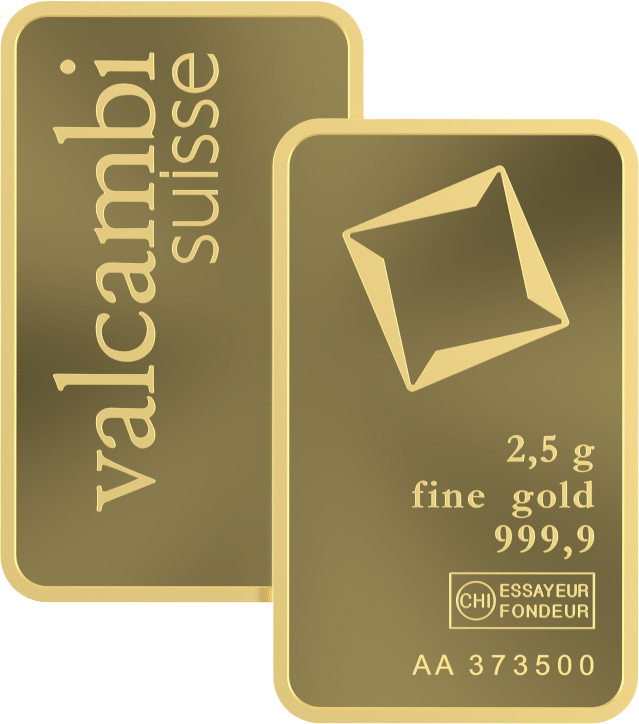
Individual investors who hold gold bars from LBMA-accredited refiners — Valcambi, PAMP Suisse, Metalor — are holding the same product standard that central banks hold: LBMA Good Delivery accredited gold from recognized refiners. The institutional and individual markets are not parallel — they overlap, and individual investors benefit directly from the demand floor that institutional buying creates.
The geographic distribution of central bank gold buyers reveals the de-dollarization thesis in action. China’s People’s Bank of China has been one of the most consistent buyers — increasing official gold reserves from approximately 1,054 tonnes in 2015 to over 2,200 tonnes by 2024, while almost certainly holding additional gold through channels not reported in official statistics. India’s Reserve Bank has consistently increased its gold allocation. Turkey has dramatically increased its gold reserves, partly as a hedge against lira volatility.
More significant from a monetary signal standpoint: the buying from Eastern European NATO members — Poland, Czech Republic, Hungary — who are adding gold as a hedge against systemic financial risk despite being embedded in Western financial institutions. This buying is not anti-dollar ideology. It is precautionary reserve management by sophisticated monetary authorities who observed what happened to Russian reserves in 2022 and drew rational conclusions.
For individual investors, the relevant question is not “should I follow central banks?” but rather “are central banks responding to the same underlying realities that make gold valuable for individual investors?” The answer is demonstrably yes: no counterparty risk, no issuer, no currency denomination, universal recognition across every monetary system. The same properties that make physical gold coins and gold bars valuable for individual investors are precisely the properties that central banks are explicitly citing when they buy. Read our inflation and gold guide for the related framework on gold’s purchasing power preservation track record.
Central bank buying is a structural demand signal — not a short-term price prediction. It does not tell you that gold will rise next month. It tells you that the structural demand environment for gold is stronger now than it has been at any point since the 1960s, and that this demand is being driven by the monetary authorities of sovereign nations who have access to the most sophisticated financial analysis available and are choosing gold deliberately.
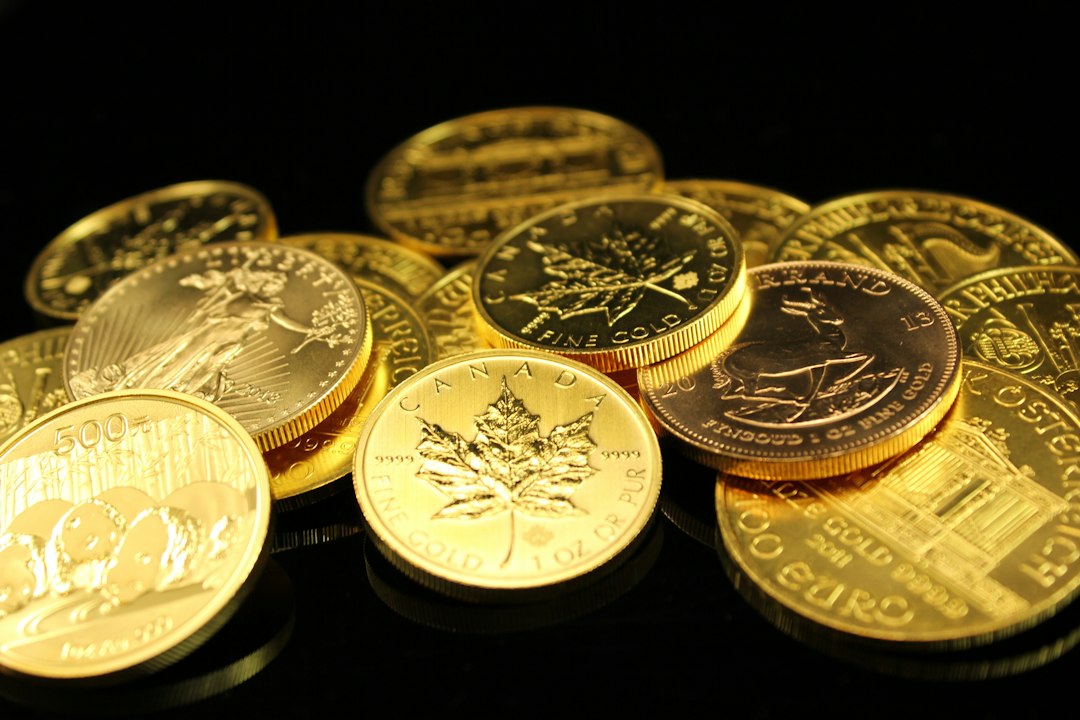
For individual investors building a precious metals position, this context supports the long-term case for holding physical gold as a core allocation. The Gold Eagle, Gold Maple Leaf, Gold Britannia, and LBMA-accredited gold bars that individual investors hold are the same product class that central banks are accumulating. The monetary logic is identical — regardless of whether the buyer is a private individual or a sovereign institution.
For investors who want to build this position systematically, our beginner’s roadmap to precious metals collecting provides the practical sequence, and our gold IRA guide covers the tax-advantaged structure for doing so within a retirement account.
Q: Why are central banks buying so much gold right now?
A: Three primary drivers: de-dollarization — reducing dependence on US dollar reserves as the dollar’s global reserve share declines; counterparty risk reduction — gold has no issuer and cannot be frozen or sanctioned, a lesson made viscerally clear when Russian reserves were frozen in 2022; and long-term store of value recognition — central banks surveyed by the World Gold Council consistently cite gold’s track record of preserving purchasing power across monetary regime changes.
Q: Does central bank gold buying mean gold prices will rise?
A: Central bank buying creates a structural demand floor under gold prices — it absorbs supply that would otherwise be available to other buyers, supporting prices from below. It does not guarantee short-term price increases. Over longer time horizons, sustained central bank demand at current levels is a meaningful structural support for gold prices — but gold prices are influenced by many factors including real interest rates, dollar strength, and investor sentiment.
Q: Which central banks are buying the most gold?
A: China, India, Turkey, Poland, Singapore, and Qatar have been among the most active buyers in recent years. The breadth of buying — spanning emerging markets, NATO members, and non-aligned nations — demonstrates that gold accumulation is a global phenomenon driven by rational reserve management rather than any specific political alignment.
Q: Should I buy gold because central banks are buying it?
A: The properties that motivate central bank gold buying — no counterparty risk, no issuer, universal recognition, purchasing power preservation — are the same properties that benefit individual investors. You do not need to “follow” central banks to reach the same conclusion independently. If these properties are valuable to you as an individual investor, holding physical gold makes sense on the same logic regardless of what central banks are doing.
Q: How is individual investor gold the same as central bank gold?
A: Central banks hold LBMA Good Delivery gold — bars from accredited refiners meeting specific purity, weight, and quality standards. Individual investors who hold Valcambi bars, PAMP Suisse bars, and Metalor kilo bars from LBMA-accredited refiners hold the same institutional product standard. The scale is different; the asset is identical.

Investment-grade gold, priced with the live market and fully insured.
Prices, new stock and new guides. No spam.
Walk into the numismatic side of any serious precious metals conversation and you will encounter a vocabulary that
Inflation is not an abstract economic concept — it is the measured, documented erosion of what your money
Among the analytical tools that serious precious metals investors use, one stands out for its simplicity and its
Email us and a real person will help you choose the right gold for you.